Starting a fishing gear business can be an exciting venture for anyone passionate about angling. The fishing industry continues to grow steadily, with millions of enthusiasts constantly looking for quality equipment at reasonable prices. However, many aspiring entrepreneurs feel overwhelmed by the complexity of sourcing products and setting competitive prices.
The key to success lies in understanding your market and offering value that resonates with anglers of all skill levels. By focusing on affordable rod options, you can attract beginners and budget-conscious fishermen while building a loyal customer base. This guide will walk you through the essential steps of launching your fishing gear business with a focus on cost-effective inventory strategies.
Understanding Your Target Market
Before investing in inventory, you need to identify who your customers will be. Different anglers have vastly different needs and budgets. Beginners typically seek affordable, reliable equipment that helps them learn without breaking the bank. Meanwhile, experienced anglers might look for specialized budget options for specific techniques or backup equipment.
Research your local fishing community to understand what species people target most frequently. Freshwater bass fishing requires different equipment than saltwater surf casting. Each niche has its own preferences and price expectations. Additionally, consider whether you’ll serve recreational anglers, competitive fishermen, or both groups.
Demographics play a crucial role in your business planning. Families with children need durable, inexpensive options for young anglers. Retirees might have more disposable income but still appreciate value pricing. College students represent another segment that prioritizes affordability while maintaining acceptable quality standards.
Understanding these distinctions helps you select the right products and set appropriate price points. It also guides your marketing efforts and store layout decisions.
Sourcing Affordable Fishing Rods
Finding reliable suppliers is fundamental to your business success. Wholesale distributors offer the best margins, but they often require minimum order quantities. Start by attending fishing industry trade shows where you can meet manufacturers and distributors face-to-face.
Import options from countries like China, South Korea, and Taiwan can provide excellent value. Many reputable fishing rod manufacturers in these regions produce quality products at significantly lower costs than domestic alternatives. However, you must carefully vet suppliers to ensure consistent quality and reliable shipping.
Domestic wholesalers offer advantages like faster shipping, easier returns, and simplified communication. They typically carry multiple brands, allowing you to diversify your inventory without managing numerous supplier relationships. Building strong partnerships with a few key distributors often results in better terms and support.
Consider drop-shipping arrangements initially to minimize upfront investment. This model lets you list products without maintaining physical inventory. Once you identify which items sell consistently, you can stock those products for faster fulfillment and better margins.
Refurbished or closeout rods present another opportunity. Manufacturers often sell previous year’s models at steep discounts. These products perform identically to current versions but cost significantly less, allowing you to offer exceptional value to price-conscious customers.
Creating Your Rod Pricing Guide
Developing a clear pricing strategy helps customers make informed decisions while ensuring your profitability. A well-structured rod pricing guide establishes transparency and builds trust with your audience. Start by categorizing rods into distinct price tiers that serve different customer needs.
Entry-level rods typically range from twenty to fifty dollars. These products work well for children, absolute beginners, or anglers who fish occasionally. While margins on these items may be modest, they drive traffic and create opportunities for upselling related products like line, hooks, and tackle boxes.
Mid-range options between fifty and one hundred fifty dollars attract the largest segment of recreational anglers. These rods offer better sensitivity, durability, and performance than budget models. Your margins improve in this category, and customers who invest at this level often return for additional purchases.
Premium affordable rods priced from one hundred fifty to three hundred dollars appeal to serious hobbyists seeking high performance without luxury pricing. These products often compete favorably with much more expensive options. Stocking a selection in this range positions your business as serious about quality while remaining accessible.
Understanding fishing equipment costs in your market helps you price competitively. Research what local competitors and online retailers charge for similar products. Your pricing should reflect your value proposition, whether that’s expert advice, convenient location, or superior customer service.
Remember that pricing isn’t static. Seasonal adjustments, promotional sales, and bundle deals keep your offerings fresh and competitive. Additionally, consider loyalty programs that reward repeat customers with discounts or exclusive access to special purchases.
Building Your Inventory Strategically
Smart inventory management makes the difference between profit and loss, especially when starting out. Begin with a focused selection rather than trying to stock every possible option. Identify the most popular fishing styles in your area and prioritize those categories.
Spinning rods outsell other types in most markets because of their versatility and ease of use. Stock multiple lengths and actions to accommodate different applications. Similarly, casting rods appeal to bass fishermen and should represent a significant portion of your inventory if bass fishing is popular locally.
Fly fishing rods serve a niche market but can be profitable if you’re near good fly-fishing waters. These customers often become loyal to shops that understand their specific needs. However, don’t overcommit to this category unless research confirms sufficient demand.
Youth and beginner combo sets deserve prominent placement. Parents shopping for children’s first fishing rods appreciate all-in-one packages that include everything needed to start fishing. These items also make excellent gifts, driving sales during holidays and summer months.
Maintain stock depth on your best-selling items while keeping variety in slower-moving categories. Nothing frustrates customers more than finding the perfect rod only to learn it’s out of stock. Conversely, slow-moving specialty items tie up capital that could be invested in proven sellers.
Setting Up Your Sales Channels
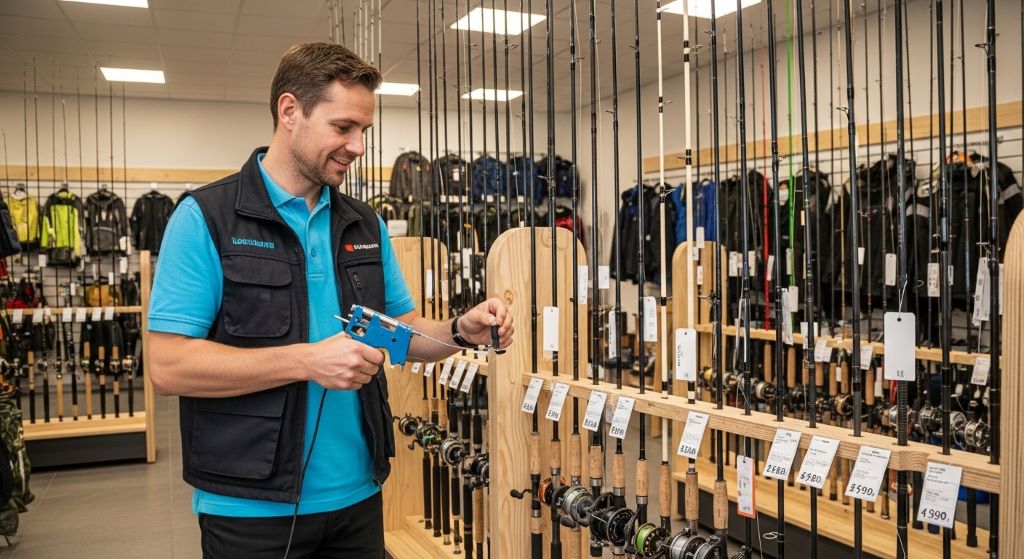
Today’s retail environment demands multiple sales channels for maximum reach. A physical storefront provides tangible benefits like hands-on product examination and personal interaction. Customers appreciate the ability to feel a rod’s balance and action before purchasing.
Your store location significantly impacts success. Proximity to popular fishing spots creates natural traffic from anglers heading to or from the water. However, high-traffic locations also mean higher rent. Balance visibility against overhead costs carefully.
An online presence extends your reach beyond local customers. E-commerce platforms like Shopify or WooCommerce make it relatively easy to establish a professional online store. Quality product photos, detailed descriptions, and customer reviews help overcome the inability to physically examine products.
Social media marketing costs little but requires consistent effort. Share fishing tips, product highlights, and local fishing reports to engage your audience. Instagram and Facebook work particularly well for fishing-related businesses because of their visual nature and engaged user communities.
Consider marketplace platforms like Amazon or eBay to supplement your direct sales channels. These platforms provide massive exposure but take significant commissions. They work best for moving volume on popular items while your branded channels build loyal relationships with customers.
Providing Value Beyond Products
Successful fishing gear businesses differentiate themselves through expertise and customer service. Your knowledge becomes a competitive advantage that online-only retailers cannot easily replicate. Therefore, invest time in staying current with fishing techniques, local conditions, and product innovations.
Offer free advice and guidance to everyone who enters your store, whether they buy or not. This generosity builds reputation and loyalty. Today’s browser often becomes tomorrow’s buyer when they remember the helpful person at the local fishing shop.
Educational content like how-to videos, blog posts, or printed guides establishes you as an authority. This content also improves your online visibility through search engines. Share information about choosing the right rod for specific applications, maintenance tips, and local fishing techniques.
Organize community events like fishing clinics, tournament weigh-ins, or conservation initiatives. These activities build connections within the fishing community and raise your business profile. Additionally, they create networking opportunities that lead to partnerships and sales.
Loyalty programs encourage repeat business. Simple punch cards or points systems reward customers for choosing your store over competitors. The most effective programs offer meaningful rewards that genuinely benefit regular customers.
Managing Costs and Margins
Understanding fishing equipment costs thoroughly allows you to operate profitably while pricing competitively. Track all expenses meticulously, including obvious costs like inventory and rent, plus less visible expenses like packaging materials, credit card fees, and utilities.
Negotiate with suppliers whenever possible. Larger orders typically qualify for volume discounts, though you must balance savings against inventory carrying costs and cash flow considerations. Payment terms also matter; longer payment windows improve cash flow.
Shipping expenses can significantly impact margins, especially for online sales. Factor these costs into your pricing or establish minimum order thresholds for free shipping. Alternatively, negotiate commercial shipping rates that reduce per-package costs.
Damaged or returned inventory represents pure loss unless you can recoup value through warranty claims or clearance sales. Minimize these losses through careful handling, clear return policies, and prompt quality inspections when receiving shipments.
Labor costs often surprise new business owners. Even if you’re working alone initially, your time has value that should be factored into financial projections. As you grow, employee wages become a major expense that requires careful management.
Navigating Legal and Regulatory Requirements
Every business faces legal requirements that vary by location. Research necessary licenses and permits before opening. Most areas require a general business license at minimum, while some require specialized retail permits.
Sales tax collection and remittance represent significant administrative responsibilities. Understand your obligations for both in-person and online sales. Many states now require online retailers to collect sales tax even without physical presence, complicating compliance for small businesses.
Insurance protects your investment from various risks. General liability coverage guards against customer injury claims, while product liability insurance addresses issues with defective merchandise. Additionally, property insurance protects your inventory and equipment from fire, theft, or natural disasters.
Employment regulations come into play once you hire staff. Understand wage laws, worker’s compensation requirements, and tax withholding obligations. Mistakes in this area can result in serious penalties.
Consider forming a legal entity like an LLC to protect personal assets from business liabilities. Consult with an attorney and accountant to determine the best structure for your specific situation.
Growing Your Business Over Time
Start small and expand methodically based on results. Track which products sell best and which generate the most profit. This data guides inventory expansion and helps you identify new opportunities.
Customer feedback provides invaluable insights for improvement. Encourage reviews and actively solicit suggestions. Implement changes that make sense for your business model and customer base.
Consider adding complementary products once your rod business stabilizes. Reels, line, lures, and terminal tackle create opportunities for complete outfit sales. Apparel, electronics, and accessories further expand your product range.
Seasonal patterns affect fishing retail significantly. Plan inventory and cash flow around peak seasons while finding ways to maintain revenue during slow periods. Year-round species, gift-giving seasons, and tackle maintenance services help smooth revenue fluctuations.
Build relationships with local fishing guides, tournament organizers, and fishing clubs. These connections generate referrals and bulk sales opportunities. Additionally, they keep you informed about trends and preferences in your local fishing community.
Conclusion
Starting a fishing gear business with affordable rod options requires careful planning, market research, and strategic execution. Understanding your target customers helps you select appropriate inventory and set competitive prices. Developing a comprehensive rod pricing guide and mastering fishing equipment costs ensures profitability while delivering value.
Success depends on more than just selling products. Building expertise, providing excellent customer service, and engaging with the fishing community create lasting competitive advantages. Multiple sales channels, from physical retail to e-commerce, maximize your market reach.
Managing costs carefully, complying with regulations, and planning for growth position your business for long-term success. Start small, learn from experience, and expand based on solid data rather than assumptions. With dedication and smart business practices, your fishing gear venture can become a thriving enterprise that serves your community while supporting your financial goals.
Frequently Asked Questions
How much money do I need to start a fishing gear business?
Initial investment varies widely based on your approach. A small online-only business might start with five thousand to ten thousand dollars for initial inventory and website development. A physical storefront requires significantly more, typically twenty-five thousand to fifty thousand dollars or more, including rent deposits, fixtures, and larger inventory. Starting with drop-shipping minimizes upfront costs but reduces profit margins. Consider beginning small and reinvesting profits to grow organically.
What profit margins should I expect on fishing rods?
Typical retail margins on fishing rods range from thirty to fifty percent depending on the brand, price point, and your purchasing terms. Entry-level products often have lower margins while mid-range and specialty items offer better returns. Volume sales on popular items can be profitable even with modest margins. Building relationships with manufacturers and buying in larger quantities improves your margins over time.
Should I focus on one brand or carry multiple brands?
Carrying multiple brands provides customers with choices and protects you from supply disruptions. However, some manufacturers offer exclusive dealer agreements with better pricing and support. Start with two or three reliable brands that cover different price points and styles. As you grow, add brands that fill gaps in your inventory or respond to customer requests. Avoid overwhelming customers with too many similar options.
How can I compete with large online retailers?
Compete through personalized service, local expertise, and convenience. Customers value the ability to examine products before buying and receiving immediate expert advice. Building community relationships and supporting local fishing causes creates loyalty that price-conscious shoppers won’t abandon. Offering services like rod repairs, custom rigging, or fishing guide referrals adds value beyond product sales. Focus on serving your local market exceptionally well rather than competing nationally on price.
When is the best time to open a fishing gear business?
Spring represents the ideal launch time in most regions as fishing activity increases with warming weather. This timing gives you momentum heading into peak summer months. However, starting in fall or winter allows you to refine operations during slower periods before the busy season. Either approach works depending on your preparation level and capital availability. Ensure you’re fully stocked and operationally ready before your local peak fishing season begins.
Related Topics:
How to avoid six common ecommerce mistakes
How Many Lumens Do You Need for an Office Projector?
About Author
