Electric bikes have changed the way people explore the outdoors. They open up trails that once felt too steep or too long. They make weekend adventures more accessible, whether you are a seasoned cyclist or just getting started. However, with so many options available, choosing the right one can feel like a challenge.
This guide is here to help. It covers what to look for in an electric bike built for mountain trails, how to match a bike to your riding style, and what features separate a great ride from a frustrating one. By the end, you will have a clear picture of exactly what suits your needs.
Why Electric Bikes Are Changing Outdoor Adventures
Not long ago, mountain biking meant grinding uphill on nothing but leg power. That is still an option, of course. However, electric bikes now allow riders to go farther, climb higher, and return home with enough energy to enjoy the rest of the day.
The appeal goes beyond convenience. Electric bikes let experienced riders push deeper into trails they might otherwise avoid. They also give newcomers the confidence to tackle terrain that once seemed out of reach. Additionally, they are ideal for riders returning from injury who want to stay active without overexerting themselves.
Weekend adventurers in particular have embraced electric bikes. A two-day trail ride that once required elite fitness is now achievable for a much wider range of people. That shift has made the outdoors more welcoming than ever.
What Makes a Great Mountain Electric Bike
Not every electric bike is built for rough terrain. A city commuter bike and a mountain-capable electric bike are very different machines. Understanding the core differences helps you avoid buying the wrong thing.
Motor Placement and Power Output
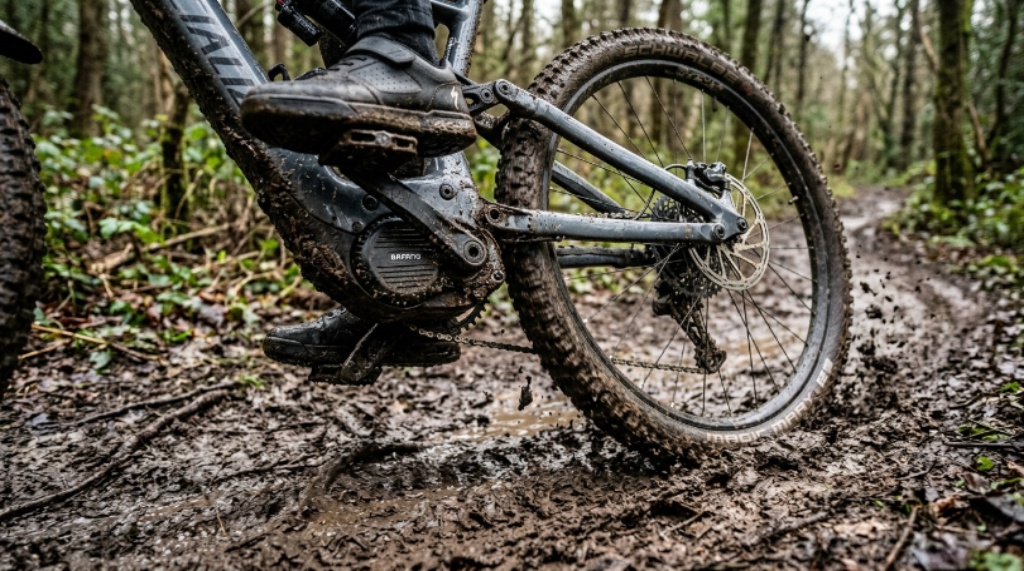
The motor is the heart of any electric bike. For mountain riding, you want a mid-drive motor rather than a hub motor. Mid-drive motors sit at the pedal crank, which puts the weight low and central on the frame. This improves balance and handling on uneven ground.
Power output is measured in watts. For trail riding, a motor between 500 and 750 watts gives you the torque needed to climb steep inclines without straining. Some high-performance models go above 750 watts, which suits very technical or aggressive terrain. However, more power also means faster battery drain, so balance is important.
Battery Capacity and Range
Battery capacity is measured in watt-hours (Wh). A larger number means more range per charge. For day rides on moderate trails, a 500 Wh battery is usually sufficient. If you plan longer rides or carry a heavy pack, look for 625 Wh or above.
Range estimates from manufacturers are often given under ideal conditions. In practice, steep climbs, cold weather, and heavy assistance modes reduce range significantly. Therefore, it is wise to assume you will get 20 to 30 percent less than the advertised figure on challenging terrain.
Suspension System
A good suspension system absorbs the impact of roots, rocks, and rough ground. Full-suspension bikes have both front and rear shock absorbers. These offer the smoothest ride and are best suited to technical trails and downhill sections. Hardtail bikes have front suspension only. They are lighter and more efficient on smoother trails, making them a solid choice for cross-country riding.
For mountain and trail use, full suspension is generally worth the extra cost. It protects your body over long rides and gives you greater control on unpredictable surfaces.
Frame Material and Geometry
Aluminum frames are the most common choice. They strike a good balance between weight, strength, and cost. Carbon fiber frames are lighter but significantly more expensive. For most riders, aluminum is the smarter investment.
Frame geometry affects how the bike handles. A longer wheelbase and slack head tube angle improve stability at speed on descents. Steeper angles suit climbing and cross-country efficiency. Many modern trail-focused electric bikes split the difference with progressive geometry that handles well in both situations.
Key Features to Look for in an Off-Road E-Bike
When shopping for an off-road e-bike, a few specific features will make or break your experience on the trail.
Tires matter more than most people expect. Wide, knobby tires between 2.4 and 2.6 inches provide grip on loose dirt, gravel, and wet roots. Some riders prefer plus-size tires at 2.8 inches or wider for even more traction and cushioning. However, wider tires add rolling resistance, so consider your usual terrain before going too wide.
Hydraulic disc brakes are essential for mountain riding. They offer reliable stopping power in wet and muddy conditions, where cable brakes can become unpredictable. Look for four-piston calipers on more aggressive bikes and two-piston options on lighter cross-country builds.
A dropper seat post is a feature many new riders overlook. It allows you to lower your saddle quickly on descents, which improves control and confidence. Once you use one, going back feels difficult. Additionally, make sure the display and controls are intuitive and glove-friendly, as fiddling with settings mid-trail is never ideal.
Choosing the Right Bike for Your Riding Style
Different riders have different priorities. A trail riding bike that suits a technical downhill enthusiast may not be the best choice for someone who prefers long, flowing cross-country routes. Matching the bike to your style makes a significant difference in how much you enjoy it.
Cross-Country and Endurance Riders
If you love covering distance and exploring new terrain over several hours, prioritize battery range and efficiency. A hardtail or a lightweight full-suspension bike with a 625 Wh or larger battery is a strong match. Look for a motor with multiple assistance levels so you can conserve power on flat sections and boost it on climbs.
Technical Trail and Enduro Riders
If you seek out challenging descents, rocky sections, and steep switchbacks, prioritize suspension quality and motor torque. A full-suspension bike with a powerful mid-drive motor and aggressive geometry will serve you well. Additionally, invest in strong brakes and durable tires, as these components take the most punishment on demanding terrain.
Casual Weekend Adventurers
If your goal is simply to enjoy nature without pushing your limits, almost any quality full-suspension or hardtail electric bike will do the job. Focus on comfort, ease of use, and a reliable motor system. You do not need the most expensive option to have a fantastic time on the trail.
What to Expect in Different Price Ranges
Electric bikes vary widely in price. Understanding what each tier offers helps you set realistic expectations.
Entry-level models between $1,500 and $2,500 are widely available. They typically use hub motors, basic suspension, and mechanical disc brakes. These are fine for light trail use but may struggle on technical terrain.
Mid-range bikes priced between $2,500 and $5,000 are where most riders find the best value. At this level, you get quality mid-drive motors, reliable suspension, and hydraulic brakes. Additionally, frame quality and component durability improve noticeably compared to entry-level options.
High-end bikes above $5,000 offer premium components throughout. Carbon frames, top-tier suspension units, and advanced motor systems with refined torque sensors are common at this level. These bikes perform exceptionally well but are not necessary for most recreational riders.
Safety and Trail Etiquette for Electric Bike Riders
Riding safely on trails protects both you and other users. Always wear a helmet. For technical terrain, a full-face helmet and knee pads add meaningful protection without limiting your movement.
Be aware of local rules regarding electric bikes on trails. Some areas restrict e-bikes to specific paths or classify them differently depending on motor power. Therefore, checking trail access rules before heading out is always worth a few minutes of your time.
Share trails courteously. Electric bikes can travel faster than traditional bicycles, so give clear signals when passing hikers or slower riders. Slowing down and announcing your presence makes the experience better for everyone.
Conclusion
Electric bikes have made mountain trails and weekend adventures more enjoyable for a wider range of riders than ever before. Choosing the right one comes down to understanding your riding style, the terrain you plan to tackle, and the features that matter most to you.
Focus on motor type and power, battery capacity, suspension quality, and tire width. Match those specifications to whether you ride long cross-country routes or technical descents. Set a realistic budget and know that mid-range options offer excellent performance without overspending.
Whether you are eyeing a rugged off-road e-bike for challenging singletrack or a versatile trail riding bike for weekend exploration, the right electric bike is out there. Take your time, test ride where possible, and invest in the machine that truly fits your adventures.
Frequently Asked Questions
Are electric mountain bikes allowed on all trails?
Not always. Rules vary by location. Some trail systems welcome all electric bikes, while others restrict them based on motor class or power output. Always check local regulations before riding a new trail to avoid fines or damaging trail access for the wider community.
How long does an electric mountain bike battery last?
Battery life depends on terrain, rider weight, assistance level, and temperature. On moderate trails with mixed assistance, most riders get between 30 and 60 miles per charge. Steep climbs and high assistance modes reduce range significantly.
Do I need special skills to ride an electric mountain bike?
Basic cycling ability is enough to get started. However, technical trails require practice and confidence that builds over time. Starting on easier terrain and gradually progressing is the safest and most enjoyable approach for new riders.
How heavy are electric mountain bikes?
Most electric mountain bikes weigh between 45 and 55 pounds. High-end carbon models can come in lighter, while more affordable aluminum builds tend to be heavier. Weight matters on climbs and when carrying the bike, but the motor assistance offsets much of the difference on the trail.
How do I maintain an electric mountain bike?
Regular maintenance includes keeping the chain clean and lubricated, checking tire pressure before each ride, inspecting brake pads for wear, and charging the battery correctly. Have the suspension and motor system serviced annually by a qualified electric bike technician.
About Author
