Spending hours in the ocean sounds like the perfect day. However, the sun does not take a break just because you are having fun. UV radiation reaches your skin even on cloudy days, and the water reflects and intensifies it further. That is why choosing the right rash guard is one of the smartest decisions any surfer can make.
A quality rash guard does more than just block the sun. It protects your skin from board rash, reduces chafing, and keeps you comfortable in and out of the water. This guide walks you through everything you need to know to find the best one for your needs.
Why UV Protection Matters More Than Most Surfers Think
Many surfers still rely on sunscreen alone. Unfortunately, sunscreen washes off quickly in the ocean. You may reapply it on land, but during a long surf session, your coverage fades fast. Rash guards offer consistent, wash-proof protection that sunscreen simply cannot match.
Prolonged sun exposure during surfing increases the risk of sunburn, premature skin aging, and in serious cases, skin cancer. The face, shoulders, and back of the neck are especially vulnerable. Therefore, covering up with the right gear is not just a comfort choice — it is a health choice.
Understanding UPF Ratings
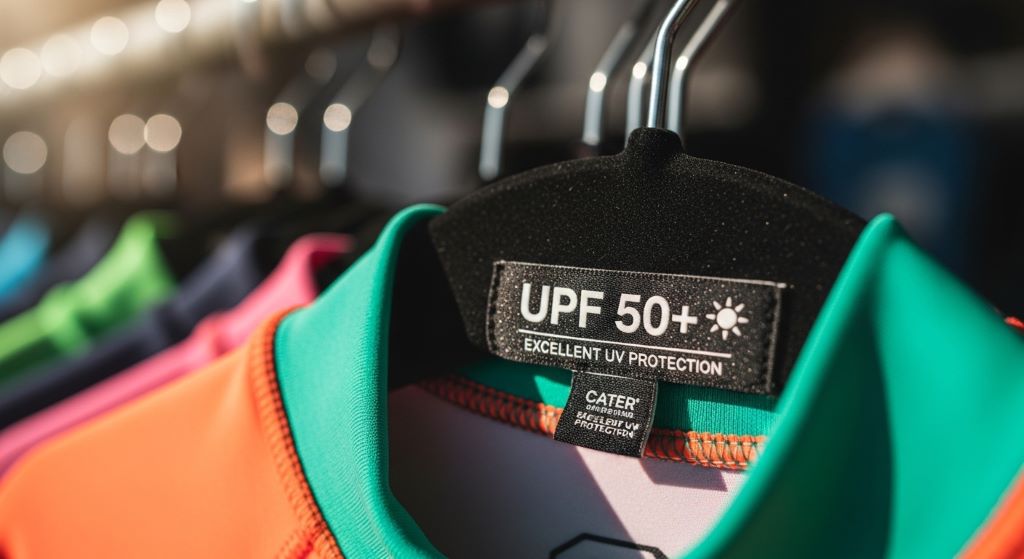
Before you shop, it helps to understand UPF. UPF stands for Ultraviolet Protection Factor. It measures how much UV radiation a fabric blocks. A shirt with a UPF of 50 blocks around 98 percent of UV rays. In comparison, a regular cotton T-shirt offers a UPF of around 5 to 7.
For surfing, aim for a rash guard rated UPF 50 or UPF 50 plus. This is the highest standard available and gives you the best protection on the water. Any rating below 30 is not recommended for extended sun exposure.
Additionally, keep in mind that wet fabric can lose some protective value. A good rash guard is specifically tested while wet to maintain its UPF rating. Always check the product description to confirm this.
Key Fabrics to Look For
The material of your rash guard affects both protection and performance. Not all fabrics work the same way in the ocean.
Nylon and spandex blends are the most popular choice. They stretch well, dry quickly, and maintain their shape after repeated use. Additionally, they feel light and smooth against the skin, which reduces irritation during long sessions.
Polyester is another solid option. It is durable, resistant to chlorine and saltwater, and holds its color well over time. Some higher-end rash guards combine polyester with spandex for added stretch and a better fit.
Avoid cotton rash guards for surfing. Cotton absorbs water and becomes heavy and uncomfortable very quickly. It also takes a long time to dry, which increases the risk of skin irritation during extended wear.
Short Sleeve vs Long Sleeve: Which Should You Choose
The choice between short sleeve and long sleeve comes down to your conditions and personal preference.
Long sleeve rash guards offer more coverage. They protect your arms, shoulders, and upper body completely. They are the better option for peak sun hours, tropical destinations, or anyone with sensitive skin. Many surfers choose long sleeves as their go-to sun protection surf wear because of the full coverage they provide.
Short sleeve rash guards are better for cooler days or when you need more freedom of movement. They still protect the torso and shoulders. However, you will need sunscreen on your arms if you go this route.
There is also the option of a full-suit rash guard that extends to the legs. This works well for very sunny climates and long sessions. For most surfers, though, a long sleeve top paired with boardshorts or a wetsuit bottom covers all the bases.
How Fit Affects Both Comfort and Protection
A rash guard that fits badly is a rash guard that fails at its job. Too loose and it will bunch up, causing chafing and reducing coverage. Too tight and it will restrict your paddling and feel uncomfortable during a long session.
The ideal fit is snug but not restrictive. You should be able to move your arms fully above your head without the hem riding up. The fabric should sit flat against your skin without pulling or gaping at the seams.
When trying on a rash guard, mimic paddling movements before you commit. Reach forward with both arms as if you are paddling through a wave. If the shirt feels tight across the back or lifts away from your waist, try the next size up.
Stitching and Seam Construction
The seams of a rash guard matter more than most people realize. Flatlock stitching is the gold standard for surf wear. This type of seam lies flat against the skin and does not dig in during movement. It dramatically reduces chafing, especially on the underarms and collar area.
Avoid rash guards with raised seams or thick overlocked stitching. These may look fine on a hanger but will cause irritation after an hour in the water. Therefore, always check the seam construction before buying, not just the outer fabric.
Choosing the Right Style of SPF Clothing
SPF clothing has come a long way in design. Modern rash guards no longer look like plain athletic gear. They come in a wide range of colors, patterns, and cuts to suit every taste.
For competitive surfers, a fitted cut with minimal seams reduces drag and supports fast movement. For casual surfers, a slightly looser fit offers relaxed comfort without sacrificing protection.
Zip closures at the neck are a practical detail worth considering. A small zip allows you to adjust ventilation and makes the shirt easier to put on and take off, especially after a wet session. Additionally, look for flat or covered zipper pulls that will not scratch your skin or your board.
Essential Beach Gear Men Should Consider Beyond the Rash Guard
A rash guard is a great start, but it works best as part of a complete setup. Choosing the right beach gear men can rely on makes every surf session safer and more enjoyable.
Boardshorts with a UPF rating add extra leg coverage. Surf hats or helmets with chin straps stay on in the water and protect the scalp and face. UV-blocking sunglasses protect your eyes from glare and long-term sun damage.
Furthermore, water-resistant reef-safe sunscreen should still be used on any exposed areas such as the face, neck, and hands. Together with a quality rash guard, this combination gives you reliable, layered protection from the moment you hit the sand to the moment you leave the water.
Caring for Your Rash Guard to Keep It Effective
A rash guard lasts much longer when you care for it properly. Rinse it in fresh water after every session. Salt and chlorine break down fabric fibers over time if left to dry on the garment. A quick rinse takes less than a minute and adds months to the life of the shirt.
Wash it on a gentle cycle with cold water and mild detergent. Avoid fabric softeners. They coat the fibers and can reduce the fabric’s UV-blocking ability. Additionally, never put a rash guard in the dryer. High heat damages the elastic fibers and causes the fabric to lose its stretch and shape.
Store your rash guard flat or hanging in a shaded spot. Folding it while wet for extended periods can encourage mildew and unpleasant odors.
What to Spend and Where to Buy
You do not need to spend a fortune to get a quality rash guard. However, extremely cheap options often cut corners on fabric quality, UPF testing, and seam construction. A mid-range rash guard from a reputable surf brand generally offers the best value.
Brands like Quiksilver, Rip Curl, O’Neill, and Patagonia have long track records in surf wear. They test their products in real conditions and clearly label UPF ratings on their gear. Buying from a surf shop or reputable online retailer ensures you are getting an authentic product with accurate specifications.
Conclusion
Choosing the right UV protection rash guard is about more than style. It is about staying safe in the water over the long term. Start with the UPF rating and look for at least UPF 50. Pay attention to fabric, fit, and seam construction. Consider whether long sleeves or short sleeves suit your conditions better.
Pair your rash guard with the right sun protection surf wear and complete beach setup for maximum protection. Look after your gear with proper washing and storage to keep it performing at its best. With the right knowledge and the right equipment, you can spend more time in the waves and less time worrying about the damage the sun is doing to your skin.
Frequently Asked Questions
What UPF rating should I look for in a rash guard for surfing?
Look for a UPF 50 or UPF 50 plus rating. This blocks around 98 percent of UV radiation and is the highest protection standard available in surf clothing.
Can a rash guard replace sunscreen completely?
Not entirely. A rash guard covers most of your torso and arms, but exposed areas like your face, neck, and hands still need sunscreen. Use both together for complete protection.
How often should I replace my rash guard?
With proper care, a quality rash guard can last two to three years. Replace it sooner if the fabric thins, the seams fray, or the stretch is noticeably reduced.
Are rash guards suitable for children too?
Yes. Children’s rash guards follow the same UPF standards and are highly recommended for young surfers and beach-goers who spend long periods in the sun.
Do rash guards work when wet?
Good quality rash guards are tested wet and maintain their UPF rating when soaked. Always check the product label to confirm the rating applies to wet conditions, not just dry fabric.
Related Topics:
How to Carry Water During a Swimrun: Tips and Gear Options
The Ultimate Guide to Street BMX Tricks for SoCal Riders
About Author
