Imagine the sizzle of steaks on the main grate while a rich sauce simmers nearby. You stay outside the whole time and serve a full meal hot and fresh. A gas grill with a side burner makes this possible. Moreover, these grills lead the market. Gas models hold nearly 48% of global share in 2025, according to industry reports. The barbecue sector continues to grow quickly. If you want a reliable option, check out side burner gas grill models. This setup turns any backyard into a complete cooking station.
Why Choose a Gas Grill with a Side Burner?
Gas grills offer convenience and control. You light them instantly and adjust heat precisely. The side burner adds real versatility.
Additionally, you cook sides, sauces, or breakfast items at the same time as the main dish. No more running to the kitchen. Everything stays outdoors.
For instance, grill burgers while boiling corn or sautéing onions on the side. This feature creates a true outdoor grill setup. Families love it for complete meals without indoor mess.
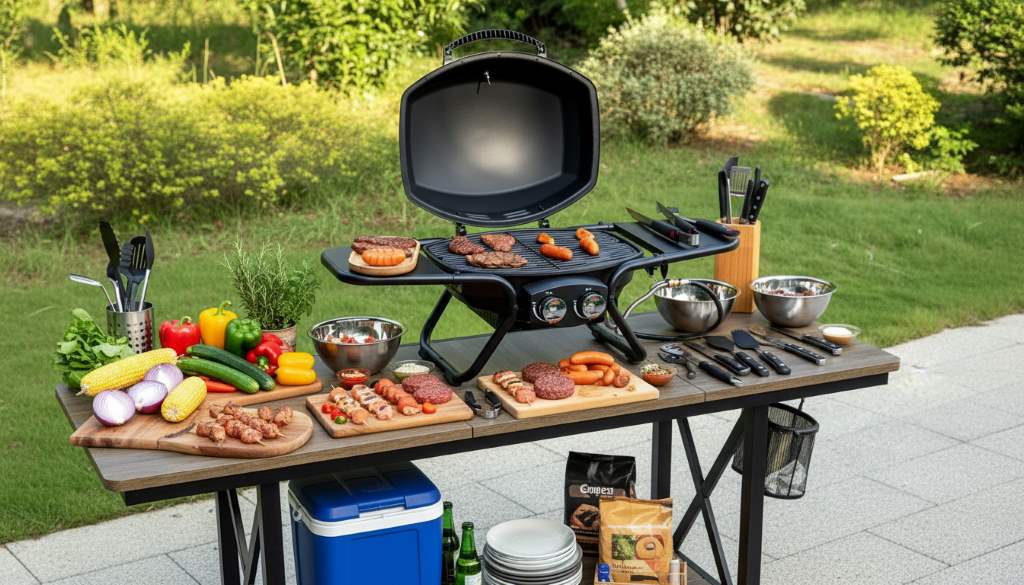
Setting Up Your Outdoor Grill Setup Safely
Location matters most. Place your grill on a level, non-flammable surface. Keep it at least 10 feet from your house, deck rails, and overhangs.
Next, check the propane tank connection. Look for leaks by applying soapy water to hoses and valves. Bubbles mean a problem—tighten or replace parts right away.
Then, create a BBQ prep station nearby. Set up a sturdy table for tools, plates, and ingredients. Good organization keeps cooking smooth and safe.
Essential Safety Guidelines for Gas Grilling
Safety comes first every time you grill. Follow USDA recommendations to avoid foodborne illness.
Always use a food thermometer. Cook poultry to 165°F, ground meats to 160°F, and steaks to at least 145°F with a three-minute rest.
Moreover, keep raw meats separate from ready-to-eat foods. Use different cutting boards and platters.
Furthermore, never leave a lit grill unattended. Keep children and pets away. Have a fire extinguisher close by.
How to Light and Preheat Your Gas Grill
Open the lid before lighting. This prevents gas buildup. Turn on the tank valve slowly.
Then, turn the first burner to high. Press the igniter button. You should hear a click and see flames.
Once one burner lights, turn on the others. Close the lid and preheat for 10-15 minutes on high. This burns off residue and gets grates hot for perfect sear marks.
Mastering Temperature Zones on the Main Grill
Create direct and indirect zones. Light all burners for high-heat searing. Turn off one side for gentler cooking.
For example, sear steaks over direct heat for two minutes per side. Move them to indirect heat to finish without burning.
Additionally, use the side burner for low-and-slow tasks like warming buns or melting cheese. Control like a pro comes from practice.
Unlocking the Power of the Side Burner
The side burner acts like a stovetop outdoors. Boil water for pasta, simmer barbecue sauce, or fry bacon.
Start by lifting the cover. Turn the knob to high. Light it the same way as main burners.
Then, adjust flame as needed. Use sturdy cookware rated for high heat. Cast iron skillets and heavy pots work best.
For instance, sauté vegetables while chicken grills. Or keep baked beans warm. This burner makes complete meals possible.
Turning Your Grill into a Full BBQ Prep Station
Organize tools within reach. Keep tongs, spatulas, brushes, and thermometers on side shelves.
Moreover, prep ingredients ahead. Chop vegetables, marinate meats, and portion seasonings.
Then, use the side burner to make sauces from scratch. Reduce marinades or caramelize onions. Your outdoor grill setup becomes a complete kitchen.
Complete Breakfast Ideas on Your Gas Grill
Start the day outdoors. Light the main grill for bacon and pancakes. Use the side burner for eggs.
Try this simple menu:
- Grill thick-cut bacon directly on grates.
- Cook hash browns in a cast iron skillet on the side burner.
- Flip pancakes on a griddle over main burners.
- Boil coffee water on the side.
Guests enjoy a full hot breakfast in fresh air.
Lunch Recipes That Shine Outdoors
Grilled burgers pair perfectly with side burner sides.
Build classic cheeseburgers:
- Form patties and season generously.
- Sear over direct heat.
- Toast buns on upper rack.
- Sauté onions and mushrooms on the side burner.
- Warm baked beans in a pot.
Add grilled vegetable skewers for balance. Everyone gets a complete plate.
Dinner Menus for Memorable Evenings
Create restaurant-quality meals. Grill ribeye steaks while preparing full sides.
Try steakhouse dinner:
- Season and sear steaks on main grill.
- Boil red potatoes on side burner, then smash and crisp.
- Sauté garlic green beans in butter.
- Reduce red wine sauce on the side burner.
Finish with grilled peaches for dessert. Drizzle honey while they caramelize.
Seafood Feasts Made Simple
Seafood cooks fast and benefits from side support.
Prepare grilled salmon with sides:
- Oil and season salmon fillets.
- Grill skin-side down over medium heat.
- Boil corn on the cob on side burner.
- Make lemon butter sauce in a small pan.
- Steam clams or mussels alongside.
Fresh, flavorful, and fully outdoor.
Related:
Oklahoma City Kitchen Gadgets: Prep & Serve Essentials
Vegetarian and Vegan Complete Meals
Everyone eats well with plant-based options.
Build grilled vegetable platters:
- Marinate portobello mushrooms as “steaks.”
- Grill zucchini, peppers, and eggplant directly.
- Cook quinoa or couscous on side burner.
- Warm hummus or make fresh pesto.
- Toast pita bread on grates.
Protein-packed and satisfying.
Side Dishes That Complete Any Meal
Great sides elevate simple proteins.
Popular options include:
- Skillet corn with chili and lime
- Garlic parmesan potatoes
- Sautéed spinach with onions
- Baked beans with bacon
- Macaroni and cheese from scratch
The side burner handles them all while mains grill.
Dessert Ideas Straight from the Grill
End sweetly. Grill pineapple rings with cinnamon.
Or make skillet cobbler:
- Mix fruit and topping.
- Cook in cast iron on side burner.
- Add biscuit dough drops.
- Cover and bake until golden.
Serve with ice cream that stays cool nearby.
Cleaning Your Grill After Cooking
Clean while warm for easiest results. Brush grates with a good grill brush.
Then, empty grease trays. Wipe down surfaces with mild soap and water.
Moreover, deep clean monthly. Remove grates and burners. Wash thoroughly and check for blockages.
Seasonal Maintenance Tips
Cover your grill when not in use. Check hoses and connections each spring.
Additionally, store propane tanks upright outdoors. Never inside.
Furthermore, inspect for rust regularly. Touch up paint as needed.
Proper care keeps your grill performing for years.
Troubleshooting Common Issues
Flames too low? Check fuel level and clean burners.
Uneven heating? Adjust burner tubes or level the grill.
Side burner won’t light? Clean ports with a needle.
Most problems solve quickly with basic checks.
Conclusion
A gas grill with side burner transforms outdoor cooking. You create complete meals from breakfast to dessert without leaving the backyard.
Moreover, you control heat precisely and cook multiple items at once. Safety, setup, and practice make perfect results.
Start planning your next gathering. Light the grill, gather friends, and enjoy full meals under open sky.
FAQs
Can I leave the side burner on while grilling mains?
Yes. The side burner operates independently. Monitor both areas and adjust heat as needed.
What cookware works best on a side burner?
Choose heavy-bottom pots and pans. Cast iron, stainless steel, and grill-rated cookware handle high heat well.
How do I prevent flare-ups on the main grill?
Trim excess fat from meats. Keep the lid open when starting. Move food to indirect zones if flames rise.
Is it safe to use the side burner for deep frying?
No. Deep frying outdoors requires specialized equipment. Use shallow sautéing instead for safety.
How often should I replace propane tanks?
Check date stamps. Tanks last 10-12 years. Refill when empty and inspect for damage regularly.
References
- USDA Food Safety and Inspection Service: Grilling and Food Safety
https://www.fsis.usda.gov/food-safety/safe-food-handling-and-preparation/food-safety-basics/grilling-and-food-safety - Weber Grills: How to Use Your Side Burner
https://www.weber.com/US/en/blog/tips-techniques/how-to-use-your-side-burner/weber-29433.html - Napoleon: Tips & Tricks for Using Your Napoleon Side Burner
https://www.napoleon.com/en/us/grills/blog/tips-tricks-using-your-napoleon-side-burner - Mordor Intelligence: Barbeque Grill Market Analysis
https://www.mordorintelligence.com/industry-reports/barbeque-grill-market
About Author
