Skateboarding brings freedom and excitement like few other activities do. You push off, feel the wind, and suddenly master a new skill that connects you to a vibrant community. Millions of people worldwide now enjoy this sport, and the global skateboard market reached over $3.7 billion in 2025, showing steady growth as more newcomers join in. However, picking your first board can feel overwhelming with so many options available. This guide breaks everything down step by step. For instance, a solid skateboard for beginners sets you up for success right away. Moreover, you learn key factors like size, components, and style to match your needs. Soon, you roll with confidence and avoid common pitfalls that frustrate new riders.
Why Start Skateboarding as a Beginner?
Skateboarding builds balance, coordination, and resilience quickly. You fall, get up, and try again, which teaches perseverance in a fun way. Additionally, it serves as great exercise and a social outlet. Many beginners start in adulthood, proving age never limits you.
Recent data shows the sport continues to attract new riders, especially after its Olympic debut boosted visibility. For example, beginner lessons and club activities remain among the most popular entry points. Furthermore, skateboarding offers low barriers; you need only a board and open space to begin. As you progress, the sense of achievement grows with every new trick or smooth cruise.
Understanding Different Types of Skateboards
Beginners benefit most from choosing the right type early. Each style suits specific riding goals, so consider how you plan to skate first.
Street skateboards, often called popsicle shapes, work best for tricks, ollies, and park sessions. They feature symmetrical shapes with kicked noses and tails. Most beginners who want to learn flips and grinds pick this classic style.
Cruiser skateboards prioritize smooth rides and easy transport. They usually have softer wheels and kicktails for quick turns. Many newcomers love cruisers for commuting or casual neighborhood rolls because they handle cracks and rough pavement well.
Longboards excel at distance and carving. Their longer decks provide stability at speed, making them forgiving for first-time riders. Drop-through or pintail designs lower the center of gravity, which helps beginners push longer distances without fatigue.
Mini cruisers combine portability with fun. These compact boards fit easily in backpacks and suit kids or adults who want something lightweight. However, they sacrifice some stability compared to full-size options.
Ultimately, think about your environment. Street boards shine in skateparks, while cruisers and longboards handle city streets better.
Choosing the Right Deck for Beginners
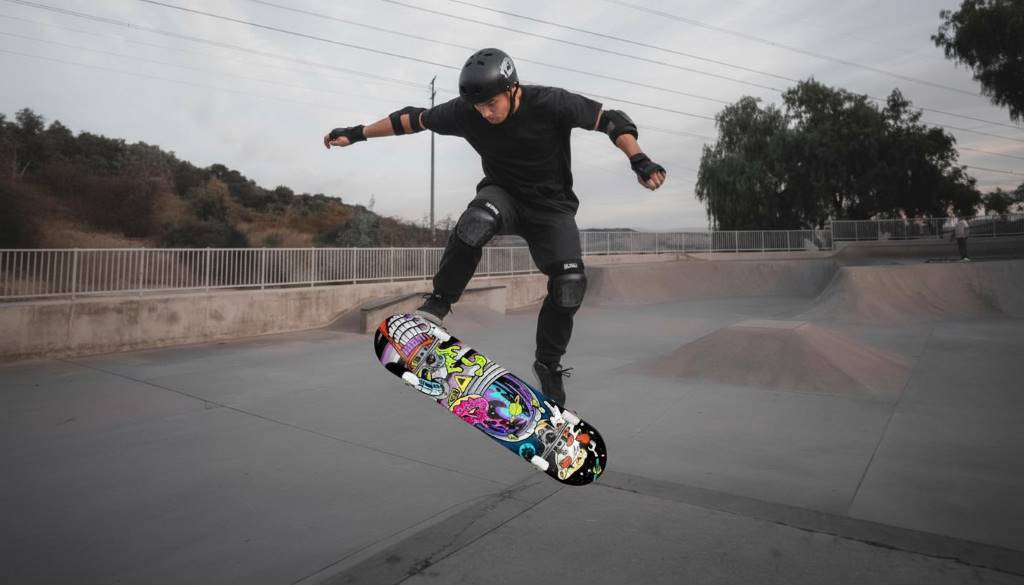
The deck forms the heart of your skateboard. You stand on it, so comfort matters greatly.
Wood decks, typically 7-ply Canadian maple, offer the best durability and pop. Most quality boards use this construction because it balances strength and flexibility.
Width plays a crucial role. Beginners usually do well with decks between 7.75 and 8.5 inches wide. Narrower boards flip faster for technical tricks, while wider ones provide more stability for learning balance.
Shoe size guides many choices. Riders with men’s size 9 or larger often prefer 8.0 inches or wider. Smaller feet feel comfortable on 7.75 to 8.0 inches. Moreover, height influences selection; taller beginners lean toward wider decks for better foot placement.
Length typically ranges from 31 to 33 inches for standard street decks. Longer boards feel more stable, which helps when you first step on.
Concave refers to the deck’s curve from side to side. Medium concave gives good foot lock-in without feeling aggressive. Beginners avoid flat decks or extreme concave until they develop preferences.
Kicktails allow ollies and manuals. Double kicktails, found on most street boards, give versatility. Single kicktail cruisers focus more on carving than tricks.
Finally, graphic choice adds personal flair, but never sacrifice quality for looks alone.
Selecting Trucks That Match Your Style
Trucks hold your wheels and control turning. You need ones that match your deck width perfectly.
Low, mid, and high trucks exist. Beginners often choose mid-height trucks as they balance stability and grind clearance. Low trucks suit technical street skating, while high ones work better with larger wheels for cruising.
Truck width should align with your deck. An 8-inch deck pairs with 8-inch trucks for optimal performance. Mismatched sizes cause wheelbite or unstable rides.
Aluminum trucks dominate the market for their lightweight strength. Independent, Thunder, and Ace remain popular brands that deliver reliable turns.
Loose trucks turn easily but can cause speed wobbles at first. Tighten them initially, then loosen gradually as confidence grows. This approach helps beginners maintain control while learning.
Picking the Best Wheels for New Riders
Wheels affect speed, grip, and smoothness dramatically. Beginners need wheels that forgive rough surfaces.
Wheel size ranges from 50 to 60mm typically. Smaller wheels accelerate quickly and suit street skating. Larger ones, 54mm and up, roll faster over cracks and suit cruising.
Hardness, measured in durometer, matters greatly. Hard wheels (97a-101a) slide well for tricks and work on smooth park surfaces. Softer wheels (78a-90a) absorb vibrations and grip better on streets.
Many beginners start with 99a wheels around 52-56mm. This setup offers versatility for learning basics across different terrains.
Shape influences contact patch. Conical or rounded edges slide predictably for powerslides. Square edges grip more for carving.
Quality urethane lasts longer and performs better. Avoid cheap plastic wheels that chunk easily.
Understanding Bearings and Their Impact
Bearings let your wheels spin freely. ABEC ratings once dominated discussions, but now focus shifts to overall quality.
Bones Reds remain a beginner favorite for their reliability and smooth roll. Steel bearings work fine for most, while ceramic ones offer premium performance.
Clean and lubricate bearings regularly to maintain speed. Dust and dirt slow them down quickly.
Six-ball or eight-ball designs exist, but standard seven-ball bearings strike the best balance.
The Importance of Quality Grip Tape
Grip tape keeps your feet planted. Coarse black grip provides maximum stick without shredding shoes too fast.
Jessup and Mob remain trusted brands. Some boards come pre-gripped well, while others need replacement sooner.
Apply grip tape carefully to avoid bubbles. Clear or colored options exist, but black hides wear best.
Complete Skateboards vs Building Custom
Most beginners choose complete skateboards. Shops assemble them with matched components, ensuring everything works together from day one.
Building custom lets you pick every part, but it requires knowledge. Start with a complete, then upgrade pieces as skills grow.
Reputable completes from brands like Element, Girl, or Enjoi offer great value and quality parts.
Related:
Ultimate Skateboard Upgrade Guide: Why Spitfire Wheels + Bones Reds are a Solid Combo
Top States Leading the Eco-Skateboard Movement in 2025
Essential Safety Gear Every Beginner Needs
Safety comes first, always. Helmets prevent serious injuries; studies show up to 75% of hospitalized skateboarders suffer head trauma.
Certified helmets fit snugly and sit level. Knee pads, elbow pads, and wrist guards protect during falls, which happen often when learning.
Slide gloves help with longboarding or downhill, but basic pads suffice for most beginners.
Proper shoes matter too. Flat-soled skate shoes like Vans or Nike SB grip decks best.
Common Mistakes Beginners Make When Choosing
Many newcomers buy cheap department store boards. These often have poor components that break quickly and hinder progress.
Others choose boards too small or large for their size. Test different sizes at a local shop when possible.
Ignoring safety gear ranks high among errors. Falls happen, so protect yourself from the start.
Buying for tricks before mastering basics frustrates many. Learn to push, turn, and stop first.
Where to Buy Your First Skateboard
Local skate shops offer expert advice and support your scene. Staff help you find the right fit and often assemble boards properly.
Online retailers provide wide selection and reviews. Read customer feedback carefully.
Avoid big box stores for serious skating equipment. Quality matters more than convenience.
Tips for Your First Sessions
Start on flat, smooth ground. Practice pushing with your front foot while keeping balance.
Learn to stop safely. Foot braking works initially, then progress to powerslides.
Fall correctly by tucking arms and rolling. Relaxing reduces injury risk.
Film yourself to spot form issues. Progress comes faster with self-awareness.
Join local sessions or lessons. Community accelerates learning and provides motivation.
Maintaining Your Skateboard
Clean your board regularly. Remove dirt from bearings and grip tape.
Tighten hardware periodically. Loose trucks or kingpins cause problems.
Rotate wheels to extend life. Replace bearings when they slow down.
Store indoors away from moisture. Wood decks warp in extreme conditions.
Progressing Beyond Beginner Level
Once basics feel comfortable, try simple tricks like ollies on grass first.
Visit skateparks during quiet hours. Observe others and ask questions.
Set small goals weekly. Consistency beats intensity for long-term growth.
Explore different terrains. Variety keeps skating fresh and builds skills.
Conclusion
Choosing your first skateboard sets the foundation for enjoyable progression. Focus on fit, quality components, and your riding style. Start with a versatile complete around 8 inches wide, medium wheels, and proper safety gear. Practice regularly, stay patient, and connect with other skaters. Before long, you cruise confidently and maybe land your first tricks. Grab a board that excites you, head outside, and start rolling today – the skateboarding journey awaits.
FAQs
What size skateboard should beginners choose?
Beginners typically start with 7.75 to 8.5-inch wide decks. Choose based on shoe size – size 9 or larger often suits 8.0 inches and up, while smaller feet prefer narrower boards.
Is a cruiser or street skateboard better for beginners?
It depends on goals. Street boards suit trick learning, while cruisers offer easier riding on rough surfaces. Many start with cruisers for confidence building.
Do beginners need expensive skateboards?
No, quality completes provide everything needed without breaking the bank. Focus on reputable brands with good components rather than high cost.
How important are soft wheels for beginners?
Very important if skating on streets. Softer wheels (78-90a) absorb bumps and grip better, making learning smoother on imperfect pavement.
Should beginners wear helmets?
Absolutely. Head injuries remain common in skateboarding, and helmets dramatically reduce risk. Always wear certified protection.
References
- Tactics Skateboard Buying Guide: https://www.tactics.com/info/skateboard-sizes-and-buying-guide
- Skate Warehouse Beginners Guide 2025: https://www.skatewarehouse.co.uk/blogs/buyer-guides/buying-your-first-skateboard-a-beginners-guide
- Grand View Research Skateboard Market Report: https://www.grandviewresearch.com/industry-analysis/skateboard-market
- Warehouse Skateboards Wheels Guide: https://www.warehouseskateboards.com/help/Skateboard-Wheels-Buying-Guide
About Author
