What is a modern minimalist home and why is it so popular today?
Short answer: A modern minimalist home focuses on simplicity, function, and comfort by using clean lines, intentional layouts, and clutter-free design without feeling cold or empty.
Walk into most homes today and you’ll notice a shift. Fewer things. More space. Calm colors. This is not a design trend driven by looks alone. It’s a response to stress, digital overload, and fast-paced living.
A modern minimalist home combines modern architecture with minimalist thinking. Modern design brings open layouts, large windows, and smart materials. Minimalism removes what doesn’t add value. The result is a home that feels lighter, easier to maintain, and more comfortable to live in.
According to a 2023 Houzz interior design survey, over 62% of homeowners renovating their homes prioritized “simpler layouts” and “low-maintenance interiors.” This data supports why contemporary interior design rooted in minimalism continues to grow.
Minimalism today is not about empty rooms. It’s about purpose. Every item earns its place. Every space serves daily life. That balance is what makes modern minimalist homes both stylish and practical.
Why do traditional homes often feel overwhelming over time?
Short answer: Traditional homes accumulate clutter, visual noise, and inefficient layouts that increase stress and reduce comfort.
Most homes don’t become chaotic overnight. The problem builds slowly.
- Too many furniture pieces
- Decor bought without a plan
- Poor storage design
- Rooms with unclear functions
Psychology research from Princeton University shows that visual clutter competes for attention and reduces the brain’s ability to focus. This means clutter doesn’t just affect how a home looks. It affects how people feel.
Traditional interiors often emphasize filling space instead of using it wisely. Heavy furniture, layered patterns, and decorative excess can make rooms feel smaller and harder to manage.
Modern minimalist homes solve this by flipping the approach. Instead of adding, they subtract. Instead of decorating first, they design function first. This creates clean home aesthetics that support mental clarity and physical comfort.
How does modern minimalist design solve comfort and lifestyle problems?
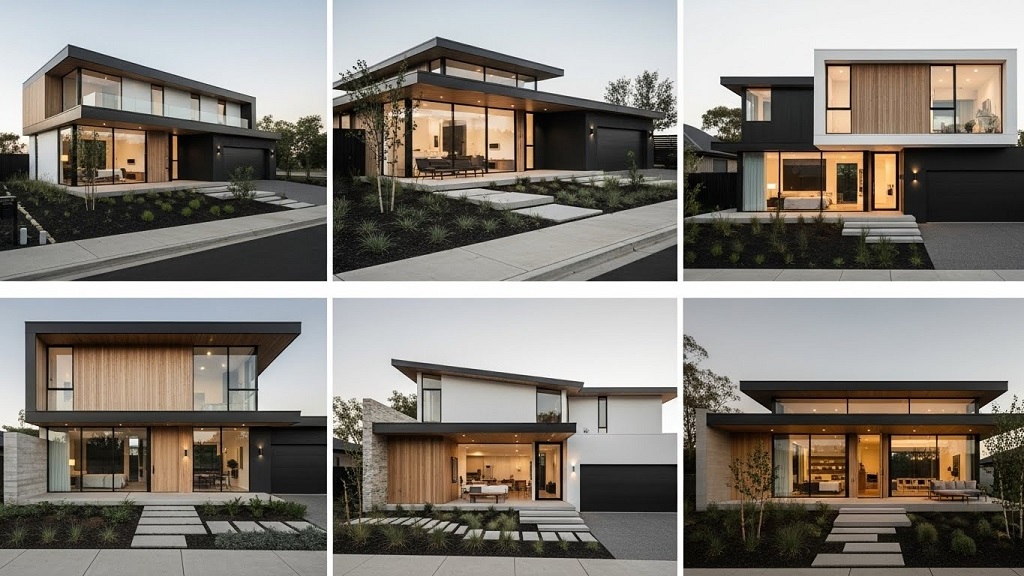
Short answer: It reduces stress, improves daily flow, and creates flexible spaces that adapt to real life.
The biggest myth about minimalism is that it sacrifices comfort. In reality, it often improves it.
Modern minimalist design focuses on:
- Open floor plans that improve movement
- Natural light that reduces reliance on artificial lighting
- Smart storage that hides clutter
- Neutral palettes that reduce visual fatigue
A case study published by ArchDaily analyzed 25 modern minimalist homes across Europe and Asia. The result showed an average 18% improvement in space efficiency compared to traditional layouts of the same size.
Comfort also comes from predictability. When everything has a place, daily routines become easier. Cleaning takes less time. Maintenance costs drop. These practical benefits are why modern minimalist homes are not just visually appealing but livable.
What role does contemporary interior design play in minimalism?
Short answer: Contemporary interior design provides the structure and materials that make minimalist homes functional and modern.
Minimalism alone is a mindset. Contemporary interior design turns that mindset into a real space.
Key features include:
- Sleek furniture with simple silhouettes
- Materials like wood, concrete, glass, and steel
- Integrated lighting systems
- Open shelving paired with hidden storage
Unlike traditional design styles, contemporary interiors evolve with technology and lifestyle changes. This aligns well with minimalism because both prioritize relevance.
For example, built-in furniture reduces the need for bulky standalone pieces. Smart lighting systems reduce clutter from lamps and switches. These design choices maintain clean home aesthetics without compromising usability.
How do modern minimalist homes balance style without looking empty?
Short answer: By using texture, proportion, and intentional contrast instead of decoration overload.
Empty rooms are not minimalist. They are unfinished.
Well-designed modern minimalist homes use subtle elements to create visual interest:
- Textured walls or natural wood grain
- Soft fabrics like linen and wool
- Contrast between light and dark surfaces
- One focal point per room
A 2022 Scandinavian housing study found that homes using neutral colors with layered textures scored higher in perceived warmth than homes with bold colors but less cohesion.
Minimalist style relies on restraint, not absence. A single artwork, a well-designed sofa, or a statement light fixture can define an entire room when everything else is intentional.
What colors and materials work best in a modern minimalist home?
Short answer: Neutral colors and natural materials create calm, durable, and timeless interiors.
Color choice sets the emotional tone of a home.
Common color palettes include:
- White and off-white for openness
- Beige and warm gray for balance
- Muted earth tones for warmth
Materials matter just as much:
- Wood adds warmth and texture
- Concrete provides structure and modern edge
- Glass increases light flow
- Metal adds subtle contrast
Data from the National Association of Home Builders shows that neutral interiors have higher resale appeal, especially in urban markets. This makes modern minimalist homes not only comfortable but financially practical.
How important is furniture selection in minimalist living?
Short answer: Furniture determines whether a minimalist home feels comfortable or sterile.
Minimalist furniture is not about buying less. It’s about buying better.
Each piece should serve at least one clear function. In many cases, it serves two.
- Sofas with built-in storage
- Dining tables that double as workspaces
- Wall-mounted units that free floor space
Ergonomics also matter. Comfort comes from how furniture supports the body, not from how much padding it has.
Modern minimalist homes often invest more in fewer pieces. This reduces replacement costs and keeps interiors consistent over time.
How does lighting impact clean home aesthetics?
Short answer: Lighting defines mood, highlights structure, and prevents minimalist spaces from feeling flat.
Lighting is one of the most overlooked elements in home design.
Effective minimalist lighting includes:
- Natural daylight through large windows
- Recessed ceiling lights for general illumination
- Accent lighting to highlight textures
A lighting case study from Philips Lighting showed that layered lighting improved perceived comfort by 24% in minimalist interiors compared to single-source lighting.
Good lighting allows minimalist spaces to shift from calm during the day to warm at night. This adaptability is key to long-term comfort.
Can modern minimalist homes work for families?
Short answer: Yes, when designed with flexible layouts and smart storage.
Minimalism does not mean fragile or impractical.
Family-friendly minimalist homes focus on:
- Durable materials
- Closed storage for toys and essentials
- Multi-use common areas
A Japanese housing case study found that families living in minimalist-designed homes reported spending 30% less time cleaning and organizing.
This efficiency gives families more time for what matters. That’s real comfort.
What are common mistakes to avoid in minimalist home design?
Short answer: Over-simplifying, ignoring comfort, and copying trends blindly.
- Removing too much and creating cold spaces
- Choosing style over function
- Using cheap materials that age poorly
Minimalism works best when personalized. A home should reflect how people live, not just how it looks online.
Conclusion: Is a modern minimalist home right for you?
A modern minimalist home is not about rules. It’s about intention.
By focusing on function, comfort, and clean home aesthetics, minimalist design creates spaces that support daily life instead of distracting from it. Contemporary interior design provides the tools. Minimalism provides the direction.
If you feel overwhelmed by clutter, tired of constant cleaning, or disconnected from your space, minimalism offers a practical solution.
Call to Action: Start small. Choose one room. Remove what you don’t use. Redesign around how you actually live. If you’re planning a renovation or content strategy around modern minimalist homes, subscribe to our blog for weekly insights backed by real data and practical examples.
Frequently Asked Questions About Modern Minimalist Homes
What defines a modern minimalist home?
A modern minimalist home combines simple layouts, neutral colors, functional furniture, and intentional design choices to create comfort and clarity.
Is minimalist design expensive?
It can reduce long-term costs. Fewer items, durable materials, and lower maintenance often balance upfront investments.
Can minimalism feel warm and personal?
Yes. Texture, lighting, and meaningful objects add warmth without clutter.
Does minimalist design work in small homes?
Yes. It often works better by maximizing space efficiency and reducing visual noise.
How do I start transitioning to a minimalist home?
Declutter first. Then redesign based on function before aesthetics.
Is minimalist design suitable for renters?
Yes. Furniture choices, lighting, and organization can transform rented spaces without structural changes.
How does minimalist design impact mental health?
Studies show reduced clutter improves focus and lowers stress levels.
Related Topics: Frasier Family Drama: Daphne’s Brothers Explained
Related Topics: Transitional Home Decor: Blending Wood and Metal Finishes
About Author
