You have finally invested in a high-end synthetic rope, only to watch it fray, fade, or lose strength after a few months of use. It is a frustrating problem that costs both time and money. The truth is that not all Dyneema ropes are created equal, and picking the wrong one can leave you stranded or constantly replacing gear. To choose Amsteel rope that lasts, you need to look beyond the brand name and focus on construction quality, UV resistance, and proper handling techniques. This guide will walk you through the exact factors that separate a ten-year rope from a one-season disappointment.
What Makes Amsteel Rope Different from Other Synthetic Ropes?
Understanding the Dyneema Fiber Advantage
Amsteel is a brand of rope made from Dyneema, which is an ultra-high-molecular-weight polyethylene (UHMWPE) fiber. This material is incredibly strong for its weight—it floats on water, resists chemicals, and has a strength-to-weight ratio that outperforms steel cable. Unlike nylon or polyester ropes, Dyneema does not absorb water, so it will not freeze stiff or rot over time.
Why Strength Retention Matters More Than Breaking Strength
Many beginners look only at the breaking strength number. Experienced users know that strength retention—how much of that initial strength remains after six months of sun exposure and rubbing—is the real metric for longevity. A cheap knockoff might advertise 12,000 pounds of strength but lose 40% of that within a year. A quality Amsteel rope retains 90% or more of its rated strength when properly maintained.
The Difference Between Single Braid and Double Braid Construction
Single braid Amsteel is lightweight and flexible, making it ideal for winching and rigging where low stretch is critical. Double braid construction adds a protective outer layer that resists abrasion better, but it is heavier and slightly stiffer. If you need a rope that rubs against rocks or metal edges frequently, double braid is often the more durable choice.
Which Factors Most Affect the Lifespan of Amsteel Rope?
UV Exposure and Sunlight Degradation
Dyneema fiber itself has moderate UV resistance, but the outer cover or coating makes a huge difference. Ropes with a black or dark-colored UV-resistant coating last significantly longer in direct sunlight than bare white ropes. If your rope will be stored on a boat rack or used in open desert environments, prioritize ropes with a UV-stabilized outer jacket.
Abrasion from Sharp Edges and Rough Surfaces
This is the number one killer of synthetic ropes. Sharp corners on winch drums, rough tree bark, and metal fairleads can slice through Dyneema quickly. Using protective sleeves or chafe guards at contact points can extend a rope’s life by three to five times. Always inspect your rope after any heavy abrasion event and replace sections that show fuzzy or cut fibers.
Chemical Exposure and Contamination
While Amsteel resists most chemicals, prolonged exposure to strong acids, bleach, or petroleum products can weaken the fibers. If you work in an industrial environment or frequently clean your rope with harsh chemicals, rinse it thoroughly with fresh water after each exposure. Even saltwater can accelerate wear if the rope is not rinsed and dried properly.
How Can You Verify the Quality of Amsteel Rope Before Buying?
Check the Fiber Source and Manufacturing Standards
Genuine Dyneema fiber is manufactured by DSM (now Avient) in the Netherlands or licensed producers. Reputable rope manufacturers will state clearly that they use 100% Dyneema SK78 or SK99 fiber. Avoid ropes that use generic “UHMWPE” without a brand certification, as these often contain lower-grade fibers that lose strength faster.
Look at the Splice Quality and Construction Details
An eye splice that is tight, consistent, and uses a proper bury length (typically 72 times the rope diameter) indicates careful manufacturing. Loose splices or those with visible gaps between strands will fail under load. If you are buying pre-spliced ropes, ask the seller for the splice efficiency rating—a good splice retains 95% or more of the rope’s rated strength.
Examine the Rope for Consistent Braid Pattern
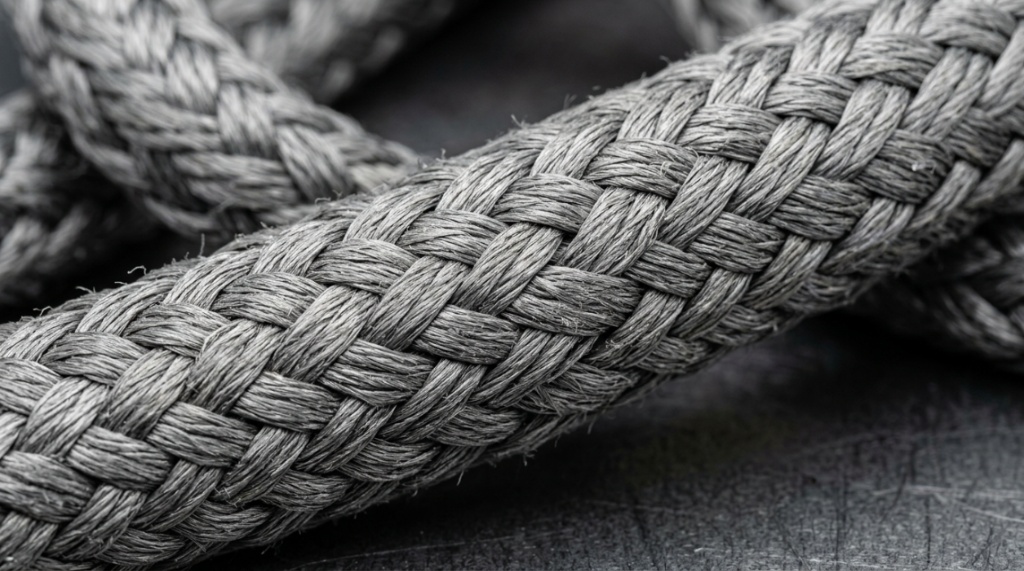
Run your fingers along the entire length of the rope. The braid should feel uniform, without lumps, thin spots, or loose strands. Inconsistent braiding creates weak points that will fail under load. A quality rope has a tight, even pattern that feels smooth and dense to the touch.
What Is the Best Way to Store Amsteel Rope for Maximum Longevity?
Keep It Dry and Away from Direct Sunlight
Even though Dyneema does not absorb water, storing a wet rope in a sealed bag can promote mold growth on the outer cover or coatings. Always dry the rope completely before coiling it for storage. Choose a cool, dark place like a garage closet or a dry storage bin. Avoid leaving it on the deck of a boat or in the back of a truck exposed to UV all day.
Use Proper Coiling Techniques to Avoid Kinks
Coiling Amsteel rope incorrectly creates kinks that weaken the fibers. Use a figure-eight coil or a chain stitch coil for long-term storage. Never wrap it tightly around a small diameter post or hook, as this creates sharp bends that stress the internal fibers. A loose, natural coil in a rope bag is ideal.
Inspect Regularly and Retire Ropes at the First Sign of Damage
Set a schedule to inspect your rope every three months if used regularly. Look for soft spots, stiffness, discoloration, or broken strands. If you find any of these signs, retire the rope immediately. Trying to get “one more use” out of a damaged rope is dangerous and can lead to catastrophic failure under load.
How Does Rope Diameter Affect Durability and Performance?
Thicker Ropes Handle Abrasion Better But Weigh More
A 3/8-inch Amsteel rope has more material to wear away before structural failure compared to a 1/4-inch rope. If you are working in harsh environments where abrasion is common, stepping up one diameter size can dramatically increase lifespan. However, thicker ropes are heavier and less flexible, which may be a trade-off for applications where weight is critical.
Thinner Ropes Offer Better Flexibility and Lower Weight
For winching or pulley systems where the rope must bend around small drums or pulleys, a thinner rope is easier to handle and stores more compactly. But thinner ropes are more susceptible to cutting and abrasion. Always match the diameter to the specific application. A 5/16-inch rope is a good middle ground for general-purpose use. For high-stress setups, make sure to use accessory cord rope for climbing and rescue applications to ensure maximum safety and reliability.
Breaking Strength vs. Working Load Limit
Never use the breaking strength as your working load. A safety factor of 5:1 is standard for rigging, and 8:1 or higher is recommended for overhead lifting. A rope that is constantly stressed near its limit will fatigue and fail much sooner than one used well within its working load range. Choose a rope with a working load that is at least twice the maximum load you expect.
Which Splices and Terminations Maintain Strength Best Over Time?
Brummel Splice Offers Superior Strength and Security
The Brummel splice is a locking splice that passes the rope through itself, creating a very strong and permanent loop. It is the preferred termination for many professionals because it cannot slip under load. A properly executed Brummel splice retains over 95% of the rope’s rated strength and will last the life of the rope if protected from abrasion.
Stitch Splices Are Effective but Require Precision
Stitch splices use multiple locking stitches to secure the bury. They are easier to inspect visually because you can see the stitching. However, the stitches themselves can become points of weakness if they are exposed to abrasion or if the thread degrades from UV. If you use stitch splices, use a UV-resistant thread and cover the splice with a protective sleeve.
When to Avoid Mechanical Terminals
Mechanical terminals like clamps or compression fittings are tempting because they are quick. However, they can crush the Dyneema fibers, creating stress concentrators that lead to premature failure. For long-lasting performance, a hand-tied splice is almost always superior to any mechanical terminal. Only use mechanical terminals in temporary or non-critical applications.
How Much Does UV Protection Cost and Is It Worth It?
The Price Premium for UV-Coated Ropes
Amsteel ropes with a UV-resistant coating typically cost 15–30% more than standard white ropes. For example, a 100-foot spool of 3/8-inch standard Amsteel might cost around $120, while the UV-coated version runs $150–$160. This premium can feel steep, but it is often a smart investment if the rope will see consistent sunlight.
Calculating the Return on Investment
A standard white rope exposed to full sunlight might last 12–18 months before showing significant strength loss. A UV-coated rope in the same conditions can last 3–5 years. If you replace ropes every year, the cheaper rope costs you $120 annually. The UV-coated rope costs $160 every three years, saving you over $200 in the long run. The math clearly favors quality.
Alternatives to UV-Coated Ropes
If you already own standard Amsteel rope, you can extend its life with storage bags, rope covers, and careful use. Using a canvas rope bag that shields the rope from sun when not in use is a low-cost way to protect your investment. You can also rotate your rope stock so that no single section gets constant sun exposure.
What Maintenance Routine Extends the Life of Amsteel Rope?
Rinse with Fresh Water After Every Saltwater Use
Salt crystals can embed in the fibers and accelerate wear over time. After using your rope in saltwater, rinse it thoroughly with fresh water using a hose or bucket. Let it dry completely in the shade before coiling. This simple habit can double the life of your rope by preventing salt from abrading the fibers during flexing.
Clean with Mild Soap Only When Necessary
Do not use detergents, bleach, or fabric softeners. These chemicals can break down the Dyneema fibers or leave residues that attract dirt. If your rope is muddy or greasy, wash it with mild dish soap and warm water, then rinse thoroughly. For most situations, plain water is all you need.
Lubricate Thimbles and Hardware to Reduce Friction
Friction at connection points is a major source of wear. Apply a silicone-based lubricant (never petroleum-based) to thimbles, shackles, and fairleads. This reduces the friction that can cause the rope to heat up and weaken. Lubricate these points every time you inspect your rope, especially after wet or gritty conditions.
Where Should You Buy Amsteel Rope to Ensure Authenticity?
Buy Directly from Reputable Manufacturers or Authorized Dealers
Avoid auction sites or unknown third-party sellers where counterfeits are common. Look for sellers who provide a certificate of authenticity or clearly state the fiber source. Reputable manufacturers often have a list of authorized dealers on their website. Buying from these sources may cost slightly more, but the peace of mind is worth it.
Read Reviews That Mention Long-Term Performance
When researching sellers on Amazon or specialty stores, filter reviews by “oldest” or “most helpful” to find long-term usage reports. A review that mentions a rope failing after two years is more valuable than one that raves about it after one week. Look for patterns: if multiple reviews mention fraying or strength loss after a few months, avoid that seller.
Consider Local Specialty Stores for Expert Advice
If you live near a marine supply store or a rigging shop, visit in person. You can feel the rope, inspect splices, and ask questions directly. Store staff who work with ropes daily can provide tailored advice for your specific application. This tactile inspection is something online shopping cannot replace.
Can You Repair Amsteel Rope or Should You Replace It?
Minor Abrasion Can Be Managed with Protective Sleeves
If you notice light fuzziness or a few broken strands in a small area, you can often extend the rope’s life by covering that section with a protective sleeve. Cut the sleeve a few inches longer than the damaged area on each side. This prevents further abrasion and can buy you months of additional service.
Severe Damage Requires Immediate Replacement
If you see multiple broken strands, a flat spot, or any area where the rope feels significantly thinner, do not attempt a repair. The internal fibers have been compromised, and the rope’s strength is no longer reliable. Replacing a damaged rope is far cheaper than dealing with a broken line under load, which can cause injury or equipment damage.
When to Cut and Resplice
If the damage is limited to the last few feet of the rope (near a splice or connection point), you can cut off the damaged section and create a new splice. This only works if the remaining rope length is still sufficient for your needs. Always inspect the cut end carefully to ensure no damage extends beyond the visible area.
What Mistakes Do Most People Make That Shorten Rope Life?
Using the Wrong Splice Method
Beginners often use a simple back splice or a tape wrap instead of a proper bury splice. These weak terminations slip or break at a fraction of the rope’s rated strength. Learn to tie a proper Brummel or bury splice, or pay a professional to do it. The investment in a good splice is an investment in safety and longevity.
Ignoring Warning Signs and Overloading the Rope
When you see a small fray or a discolored spot, it is tempting to ignore it. That small defect is a stress concentrator. Overloading the rope even once can turn a minor defect into a catastrophic failure. Respect the working load limit and always err on the side of caution when you see any damage.
Storing Rope While Still Wet or Dirty
Coiling a wet rope and shoving it in a bag creates a perfect environment for mold, mildew, and chemical reactions. Even though Dyneema does not absorb water, the dirt and grit trapped in the wet rope will grind against the fibers as the rope flexes. Always dry your rope completely and shake out any debris before storing it.
How Does the Climate in California Affect Rope Durability?
High UV Index and Dry Heat Accelerate Degradation
California’s intense year-round sunlight creates a harsh environment for any synthetic rope. The UV index in many parts of the state is high enough to cause significant degradation within months. If you use your rope in California, UV protection is not optional—it is essential. A UV-coated rope will often last three times longer than a standard rope in this climate.
Coastal Humidity and Salt Air Add Another Challenge
Even if you are not on the water, coastal humidity carries salt that can settle into your rope. Inland areas like the Central Valley have dry heat that dries out fibers over time. Each climate requires a slightly different maintenance approach, but the core principles of rinsing, drying, and storing in the shade apply everywhere.
Choosing the Right Rope for California Conditions
For users in California, we recommend a 5/16-inch or 3/8-inch UV-coated Amsteel rope with a Brummel splice. This combination offers the best balance of strength, weight, and longevity for the local climate. If you are looking for a specific product that meets these criteria, you can choose Amsteel rope that lasts from a trusted supplier that specializes in high-quality, UV-resistant options.
Frequently Asked Questions
How long does Amsteel rope typically last?
With proper care and UV protection, a quality Amsteel rope can last 3–5 years of regular use. Ropes used in harsh environments without UV coating may only last 12–18 months. Proper storage and regular inspection are the most important factors for longevity.
Can Amsteel rope be used for winching?
Yes, Amsteel is widely used for winching because of its high strength, low stretch, and light weight. It is safer than steel cable because it does not store as much energy during a break. Always use a proper winch rope with a soft shackle or thimble to protect the rope.
Is Amsteel rope safe for overhead lifting?
Amsteel rope can be used for overhead lifting if the working load limit is respected and a safety factor of 8:1 or higher is maintained. It is essential to use proper terminations and inspect the rope before every lift. For critical lifting applications, consider using a rope with a higher safety margin.
How do I clean Amsteel rope without damaging it?
Use fresh water and a mild soap only when necessary. Avoid bleach, detergents, and fabric softeners. Rinse thoroughly after cleaning and dry in the shade. For most situations, a plain water rinse is sufficient to remove salt and dirt without harming the fibers.
What is the difference between Amsteel and Amsteel Blue?
Amsteel Blue uses Dyneema SK78 fiber, which has higher strength and better UV resistance than standard Amsteel. It is also slightly more expensive. For most applications, standard Amsteel is sufficient, but for critical or long-term use, Amsteel Blue offers measurable advantages in durability.
Can I splice Amsteel rope myself?
Yes, with practice and the right tools, you can splice Amsteel rope yourself. Learn the Brummel splice or a 12-strand bury splice from video tutorials or a experienced rigger. Practice on scrap rope first. A poorly done splice is dangerous, so take your time to get it right.
Does Amsteel rope stretch under load?
Amsteel rope has very low stretch—less than 2% at breaking strength. This makes it excellent for winching and rigging where load control is important. It does not have the shock-absorbing qualities of nylon, so it is not ideal for applications that require high elasticity.
About Author
