Riding in Florida presents a unique set of challenges for your bicycle. Between the intense heat, frequent afternoon downpours, and the ever-present humidity that lingers near the coast, standard bike grease often breaks down faster than you’d expect. If you’ve noticed your hub bearings feeling gritty or your bottom bracket making noise after a wet ride, the problem isn’t always wear and tear it’s often the lubricant. Ceramic grease has become a popular solution for riders who want smoother rolling and longer-lasting protection. But not all ceramic greases are created equal, and choosing the wrong one for Florida’s climate can lead to premature component failure. This guide breaks down exactly what to look for, how to apply it, and why ceramic grease might be the upgrade your bike needs.
Why Standard Grease Fails in Florida’s Climate
Florida’s environment is brutal on lubricants. The combination of high ambient temperatures, UV exposure, and frequent water contact creates a perfect storm for standard petroleum-based greases. When temperatures soar past 90°F, conventional grease can soften and migrate away from the bearing surfaces. This leaves metal components running dry, which accelerates wear. On the flip side, when humidity causes condensation inside hubs and bottom brackets, standard grease can emulsify turning into a milky, watery mess that offers almost no protection. This is why many local mechanics recommend switching to a synthetic or ceramic-based product. The key difference lies in the base oil and the thickener system, which are engineered to resist both high heat and water washout.
What Is Ceramic Grease and How Does It Work?
Ceramic grease is a lubricant that uses ceramic micro-particles typically boron nitride or similar compounds suspended in a high-quality synthetic base oil. Unlike standard grease, which relies solely on the oil film to separate metal surfaces, ceramic grease adds a microscopic layer of hard, smooth particles. These particles fill in the microscopic valleys on metal surfaces, creating a smoother contact patch. This reduces friction and rolling resistance, which is why many cyclists report a noticeable difference in how freely their wheels spin after repacking bearings with ceramic grease.
Key Differences Between Ceramic and Regular Grease
The primary difference is the additive package. Regular grease uses thickeners like lithium or calcium soap to hold the oil in place. Ceramic grease uses a synthetic thickener, often PTFE or a complex soap, combined with the ceramic particles. This results in a grease that operates effectively across a wider temperature range. For example, a standard lithium grease might have a dropping point around 350°F, while a quality ceramic grease can withstand temperatures exceeding 500°F without separating. While your bike will never reach those temperatures, the higher thermal stability means the grease won’t break down or run out of the bearing under heavy load or extreme heat.
Selecting the Right Ceramic Grease for Florida Riding
When you start shopping for ceramic grease, you’ll notice a wide range of prices and formulations. The most important factor for Florida riders is water resistance. Look for a product that explicitly states it is waterproof or has high water washout resistance. This is measured by a standard test (ASTM D1264) that determines how much grease is lost when exposed to water. A grease with a washout rating of less than 5% is ideal for wet conditions. Additionally, consider the viscosity of the base oil. A slightly thicker oil (ISO 220 or higher) will stay in place better in the heat, but it may increase drag slightly. For most recreational and commuter cyclists in Florida, a medium-viscosity ceramic grease is the best balance between protection and performance.
Temperature Range and Dropping Point
Pay close attention to the operating temperature range listed on the packaging. You want a grease that remains stable from freezing temperatures (which can happen during rare Florida cold snaps) up to at least 300°F. The dropping point is the temperature at which the grease transitions from a semi-solid to a liquid. A higher dropping point means the grease is less likely to melt and flow out of the bearing. For Florida’s heat, a dropping point above 400°F is recommended. This ensures that even on a scorching summer day, the grease stays exactly where it needs to be.
Where to Apply Ceramic Grease on Your Bicycle
Ceramic grease is not a universal lubricant. It is specifically designed for high-load, high-speed applications like bearings. You should use it on hub bearings, bottom bracket bearings, headset bearings, and pedal bearings. These are the areas where friction reduction translates into real performance gains. However, you should avoid using ceramic grease on your chain. Chain lubrication requires a thin, penetrating oil that can get into the small pins and rollers. A thick grease will attract dirt and sand which is abundant in Florida and turn into a grinding paste that destroys your drivetrain.
Applying Ceramic Grease to Hub Bearings
To repack hub bearings, you’ll need to remove the wheels, extract the axle, and carefully remove the bearings from the hub shell. Clean the bearings and the races thoroughly with a degreaser and let them dry completely. Then, using a bearing packer or a clean plastic bag, force the ceramic grease into the bearing from the back side until it pushes through the front. This ensures the bearing is completely filled. Reinstall the bearings and apply a light coat of grease to the races and the axle. This process is straightforward but requires patience and a clean workspace to prevent contamination.
Common Pitfalls in Ceramic Grease Application
Over-packing bearing assemblies stands as the primary error cyclists make during application; while filling a hub shell completely may seem protective, excess volume creates fluid drag and restricts smooth bearing rotation. A hub shell requires only a microscopic film to guard against oxidation, whereas the internal bearings should be lubricated thoroughly without overflow. Furthermore, cross-contaminating ceramic grease with petroleum-based or synthetic compounds undermines performance incompatible thickeners often react chemically, causing the formula to break down, harden, or separate. To ensure optimal performance in humid conditions, always strip every component to bare metal before applying fresh grease. While optimizing your drivetrain for harsh environments, ensure your overall ride safety remains equally refined by pairing a pristine bike setup with essential protective equipment like high-visibility lights, certified helmets, and reflective gear.
Ignoring Seal Condition
Ceramic grease is excellent, but it cannot compensate for worn-out seals. If your hub or bottom bracket seals are cracked or missing, water and sand will still get in, regardless of the grease quality. Before repacking, inspect all rubber seals for damage. Replace them if they show any signs of wear. In Florida, where sand is everywhere, maintaining good seals is just as important as the lubricant itself. A high-quality ceramic grease combined with intact seals will keep your bearings running smoothly for thousands of miles.
Is Ceramic Grease Worth the Extra Cost?
Ceramic grease is significantly more expensive than standard grease often two to three times the price. For casual riders who only put a few hundred miles a year on their bike, the performance difference may not be noticeable. However, for commuters who ride daily in the rain, or for competitive cyclists who want every watt of efficiency, the investment is worthwhile. The primary benefit is longevity. Because ceramic grease resists breakdown and water contamination, you won’t need to repack your bearings as frequently. This saves you time and money in the long run, as you’ll replace bearings less often. For those looking for a reliable option, many riders have found that ceramic grease Florida cyclists trust offers the right balance of durability and performance for local conditions.
How Often Should You Repack Bearings in Florida?
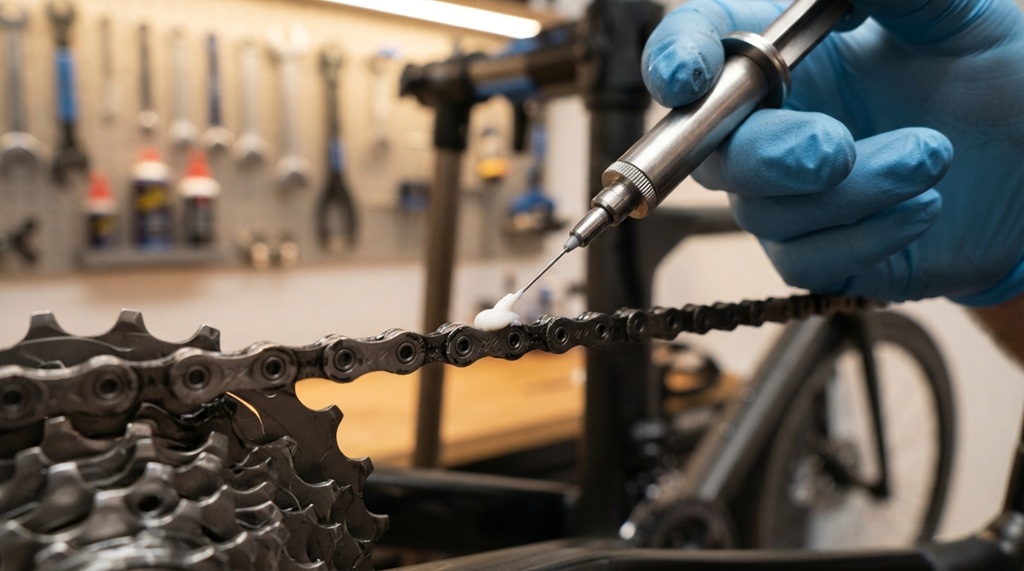
The service interval for bearings depends on how and where you ride. If you ride in dry conditions on paved roads, you can typically go 6 to 12 months between repacking. However, if you ride in the rain, or if you frequently ride on the beach paths where sand is present, you should inspect your bearings every 3 to 4 months. A simple check is to spin the wheel and listen for any grinding or roughness. If you feel any vibration through the frame, it’s time to repack. Regular maintenance is the key to extending the life of your components, and using a high-quality grease makes that maintenance less frequent.
Signs That Your Bearings Need Attention
There are a few clear indicators that your bearings are running dry or contaminated. First, a rough or gritty feeling when you spin the wheel. Second, play or wobble in the wheel when you try to move it side-to-side. Third, a clicking or grinding noise coming from the hub or bottom bracket while pedaling. If you notice any of these, do not continue riding. A failing bearing can damage the hub shell or crank spindle, leading to a much more expensive repair. Addressing the issue early with a fresh application of ceramic grease is a simple fix that prevents major damage.
Frequently Asked Questions
Can I use ceramic grease on my bike’s suspension fork?
No. Suspension forks require special grease or oil designed for the internal seals and damping systems. Using a thick ceramic grease can damage the seals and affect the fork’s performance. Stick to the manufacturer’s recommended lubricant for suspension components.
Is ceramic grease compatible with all bearing materials?
Yes, ceramic grease is safe for steel, stainless steel, and hybrid ceramic bearings. It is also safe for the aluminum and carbon fiber components commonly found on modern bicycles. The ceramic particles are non-abrasive and will not damage the bearing races.
Does ceramic grease actually reduce rolling resistance?
Yes, but the difference is small. Independent tests have shown a reduction in friction of about 1-2% compared to standard grease. While this is measurable, it is unlikely to make a significant difference in your overall speed. The main benefit is the extended lifespan of the bearings due to better protection.
Can I mix ceramic grease with regular grease?
It is not recommended. Mixing different types of grease can cause the thickeners to separate, leading to a runny or lumpy consistency that offers poor lubrication. Always clean the component thoroughly before switching to a different grease.
How should I clean old grease off bearings?
Use a solvent-based degreaser or a citrus cleaner. Soak the bearings in the solvent for a few minutes, then agitate them to loosen the old grease. Rinse thoroughly and allow them to dry completely before repacking. Never use a high-pressure air compressor to spin the bearings dry, as this can force out the internal lubricant and damage the bearing.
Conclusion
Selecting the right ceramic grease for your Florida rides comes down to understanding your local conditions and your bike’s needs. Prioritize a waterproof formula with a high dropping point to handle the heat and humidity. Apply it correctly to your bearings, keep your seals in good condition, and stick to a regular maintenance schedule. While ceramic grease costs more upfront, the protection it offers against Florida’s harsh environment will save you money on premature component replacement. Whether you’re a daily commuter or a weekend warrior, upgrading to a quality ceramic grease is a simple step that keeps your bike rolling smoothly for years to come.
About Author
