Every small office needs a reliable shredder to protect sensitive information. However, finding the right model without overspending can feel overwhelming. With numerous options flooding the market, making the wrong choice often leads to frustration and wasted money.
This guide will walk you through everything you need to know about selecting a document shredder that meets your needs without breaking the bank. Whether you’re a startup owner or managing a home office, you’ll discover how to identify quality features at affordable prices.
Understanding Your Shredding Needs
Before exploring specific models, assess your actual requirements. Different offices have different demands. A two-person consulting firm processes far less paper than a medical practice handling patient records daily.
Start by estimating how many sheets you shred weekly. Additionally, consider what types of materials you’ll be destroying. Standard paper requires basic capabilities, while credit cards and staples need more robust machinery. Therefore, understanding your usage patterns prevents buying either too little or too much machine.
Think about your security requirements too. Financial institutions need higher security levels than retail shops. The sensitivity of your documents directly impacts which shredding type you should choose.
Security Levels Explained
Shredders come with different security ratings based on particle size. Understanding these levels helps you select appropriate protection without overpaying for unnecessary features.
Strip-cut shredders are the most basic and economical. They slice paper into long vertical strips. While affordable, they offer minimal security because someone could potentially reassemble documents. These work fine for non-sensitive materials like old catalogs or general correspondence.
Cross-cut models provide better protection by cutting paper both vertically and horizontally. This creates confetti-like pieces that are much harder to reconstruct. Most small offices find cross-cut shredders offer the best balance between security and cost.
Micro-cut shredders produce the smallest particles and highest security. However, they typically cost more and work slower. Only businesses handling extremely confidential information truly need this level. For most small offices, cross-cut technology provides sufficient protection at a reasonable price point.
Key Features That Matter
When evaluating budget shredder options, focus on practical features that affect daily use. Some specifications sound impressive but rarely impact real-world performance.
Sheet Capacity
Sheet capacity indicates how many pages the machine can handle at once. Most budget models shred between six and twelve sheets simultaneously. Higher capacity means fewer feeding sessions, which saves time during bulk shredding jobs.
However, don’t automatically choose the highest number. Machines with larger capacities often cost more and may exceed your actual needs. For occasional shredding, a six-sheet model works perfectly fine. Conversely, offices destroying documents daily benefit from ten-sheet or higher capacity.
Run Time and Cool Down
Run time refers to how long a shredder operates before needing rest. Budget models typically run for five to ten minutes continuously. After reaching this limit, they require a cooling period before resuming operation.
This specification matters significantly if you shred large volumes at once. A five-minute run time with a thirty-minute cooldown becomes frustrating when destroying old file cabinets. Therefore, consider your typical shredding sessions when evaluating this feature.
For light daily use, shorter run times pose no problem. Meanwhile, offices with periodic bulk shredding should prioritize longer continuous operation capabilities.
Bin Size
Bin capacity determines how much shredded material the machine holds before requiring emptying. Smaller bins mean more frequent trips to the trash. Larger bins reduce this interruption but increase the unit’s overall footprint.
Most budget shredders feature bins between three and five gallons. For individual use, three gallons suffices. Shared office spaces benefit from larger capacities to minimize maintenance. Additionally, consider whether the bin has a viewing window. This simple feature prevents overfilling and messy spills.
Jam Prevention
Paper jams rank among the most common shredder complaints. Quality models include jam prevention technology that stops operation when detecting potential problems. Some also feature automatic reverse functions to clear minor jams.
While basic models lack sophisticated jam prevention, you can minimize problems through proper use. Never exceed the stated sheet capacity. Furthermore, avoid feeding folded or wrinkled papers. These simple practices extend machine life significantly.
Comparing Budget Options
The market offers numerous affordable shredders suitable for small offices. Understanding what separates good budget shredder options from poor ones helps you make smart choices.
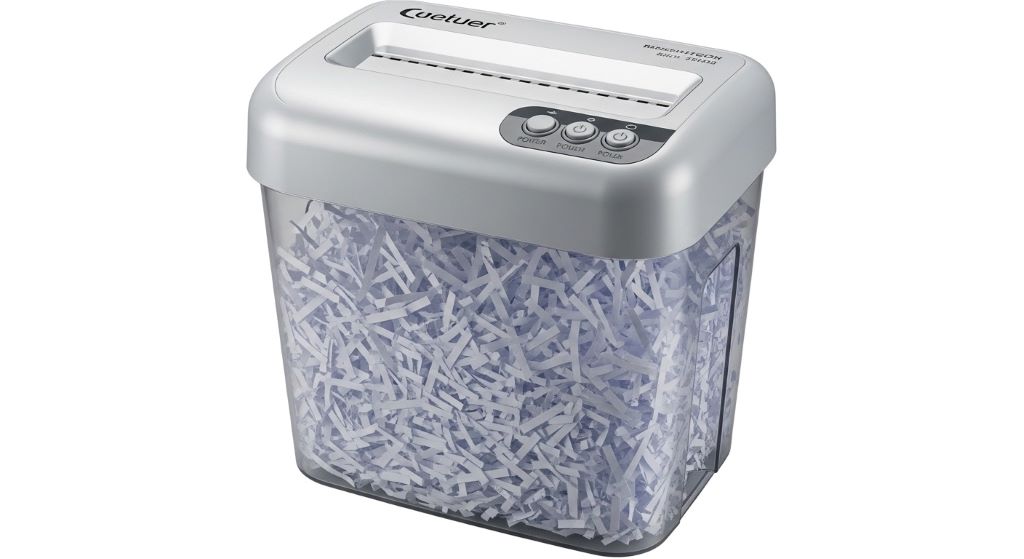
Entry-level personal shredders typically cost between thirty and sixty dollars. These handle light daily shredding for one or two people. They usually offer basic cross-cut security, five to eight sheet capacity, and small bins. Perfect for home offices or solo practitioners who shred occasionally.
Mid-range budget models fall between sixty and one hundred twenty dollars. These provide better durability, longer run times, and larger capacities. They suit small offices with three to five employees or businesses with moderate shredding needs. Many include features like auto-start and quiet operation.
The sweet spot for most small offices lies in the seventy-five to one hundred dollar range. This price point delivers reliable performance without unnecessary premium features. However, resist the temptation to buy the absolute cheapest option. Those bottom-tier models often fail within months, ultimately costing more through replacements.
When to Consider Heavy Duty Models
Sometimes budget constraints need balancing against performance requirements. Heavy duty shredders cost more upfront but deliver superior longevity and capabilities. Knowing when to stretch your budget prevents costly mistakes.
Consider upgrading to heavy duty shredders if your office destroys more than one hundred sheets daily. These machines handle continuous use without constant cooling breaks. They also process more than just paper, including credit cards, CDs, and paperclips without damage.
Medical offices, law firms, and financial services typically need this level of performance. The sensitive nature of their documents demands both higher security and reliable operation. Additionally, these businesses face regulatory requirements regarding document destruction that basic shredders may not meet.
However, if your shredding needs remain light and infrequent, investing in heavy duty shredders wastes money. A small accounting firm with one bookkeeper rarely needs the same capabilities as a busy law office. Match your purchase to your actual usage patterns rather than hypothetical future needs.
Smart Shopping Strategies
Finding quality shredders at budget prices requires strategic shopping. Several approaches can significantly reduce costs without sacrificing essential features.
First, shop during major sales events. Office supply stores frequently discount shredders during back-to-school season and Black Friday. These promotions can save thirty to forty percent off regular prices. Additionally, end-of-year clearances make room for new models.
Consider previous year models rather than the latest releases. Manufacturers update shredder lines annually with minor cosmetic changes. Last year’s version often performs identically to the current model but costs less. Retailers eager to clear inventory offer substantial discounts on these perfectly functional machines.
Read customer reviews before purchasing. Real user experiences reveal problems that specifications hide. Look for patterns in feedback rather than isolated complaints. If multiple reviewers mention frequent jams or motor failures, steer clear regardless of the attractive price.
Compare prices across multiple retailers. The same model can vary by twenty dollars or more between stores. Online marketplaces, office supply chains, and big-box retailers all stock shredders. Furthermore, many stores price-match competitors, so presenting a lower price can secure additional savings.
Maintenance Tips for Longevity
Proper maintenance extends shredder life significantly. Budget models especially benefit from regular care since they lack the robust construction of premium units.
Oil the cutting blades monthly. Special shredder oil keeps blades sharp and operating smoothly. Simply run an oiled sheet through the machine or apply oil directly to the blades. This simple five-minute task prevents most mechanical problems.
Empty the bin before it reaches full capacity. Overfilled bins cause paper to back up into the cutting mechanism, leading to jams. Moreover, excessive weight strains the bin structure. Most manufacturers recommend emptying when three-quarters full.
Remove staples and paper clips when possible. While some shredders advertise the ability to handle these items, they still cause extra wear. Taking an extra moment to remove metal fasteners significantly reduces maintenance issues. However, if your model specifically handles staples, occasional ones pose no problem.
Clean dust and paper particles regularly. Accumulated debris interferes with sensors and moving parts. Use compressed air to blow out the cutting chamber every few weeks. This prevents buildup that causes malfunctions.
Common Mistakes to Avoid
Many buyers make predictable errors when purchasing budget shredders. Avoiding these pitfalls ensures satisfaction with your investment.
The biggest mistake involves choosing based solely on price. The cheapest option rarely delivers good value. These rock-bottom models typically use inferior components that fail quickly. Spending slightly more often provides dramatically better reliability.
Another error is overestimating future needs. People buy higher capacity machines thinking they’ll eventually shred more. In reality, usage patterns stay consistent. Therefore, base your decision on current needs rather than hypothetical scenarios.
Ignoring noise levels causes workplace disruption. Some budget shredders operate surprisingly loudly. If your office maintains a quiet environment, read reviews specifically mentioning sound. Additionally, look for models advertising quiet operation technology.
Neglecting warranty coverage leaves you vulnerable. Most shredders include one-year warranties at minimum. Some manufacturers offer longer coverage or satisfaction guarantees. This protection proves invaluable if your machine develops defects.
Environmental Considerations
Document destruction impacts the environment through both energy consumption and waste production. Making eco-conscious choices doesn’t require sacrificing quality or spending more.
Look for Energy Star certified models. These shredders use less electricity during operation and standby modes. The savings seem small individually but add up over years of use. Furthermore, reducing energy consumption aligns with sustainability goals many businesses embrace.
Consider shredders that facilitate recycling. Cross-cut particles work well in recycling programs, while some micro-cut shred is too fine for standard recycling. Check with your local recycling facility about their requirements before choosing a shredding type.
Purchase from manufacturers committed to environmental responsibility. Some companies use recycled materials in construction or implement take-back programs for old machines. These practices demonstrate genuine concern for environmental impact beyond mere marketing.
Making the Final Decision
After researching options and understanding your needs, narrow your choices to two or three models. Compare them side by side using the features that matter most to your situation.
Create a simple comparison chart listing each model’s sheet capacity, bin size, run time, security level, and price. This visual representation makes differences obvious. Additionally, note any unique features that appeal to you.
Calculate the cost per feature rather than just the total price. A sixty-dollar shredder that fails after six months costs more than an eighty-dollar model lasting three years. Consider reliability and longevity alongside initial investment.
Read the return policy before purchasing. Many retailers allow thirty-day returns on office equipment. This safety net lets you test the shredder in your actual work environment. If it doesn’t meet expectations, you can exchange it without penalty.
Trust your research but also trust your instincts. If something about a particular model concerns you, explore other options. The right shredder should inspire confidence that it will handle your needs reliably.
Conclusion
Selecting the best small office shredder on a budget requires balancing multiple factors. Understanding your shredding volume, security needs, and usage patterns guides you toward appropriate models. Focus on practical features like sheet capacity, run time, and bin size rather than flashy extras.
Budget shredder options provide excellent value when chosen carefully. Most small offices find cross-cut models between seventy-five and one hundred dollars offer the ideal combination of performance and affordability. However, businesses with higher volumes should consider heavy duty shredders despite the increased cost.
Smart shopping strategies help maximize value. Shop during sales, consider previous year models, and compare prices across retailers. Read customer reviews to identify reliable brands and avoid problem machines. Additionally, proper maintenance extends your shredder’s useful life significantly.
Remember that the cheapest option rarely delivers the best value. Investing slightly more in quality construction and reliable performance saves money long-term. Your shredder protects sensitive information daily, making it worthy of thoughtful selection. With this knowledge, you’re ready to confidently choose a machine that serves your needs without exceeding your budget.
Frequently Asked Questions
How often should I oil my office shredder?
Oil your shredder once monthly for optimal performance. If you shred heavily every day, increase frequency to every two weeks. Simply run a sheet coated with shredder oil through the machine or apply oil directly to the blades. This prevents blade dullness and ensures smooth operation.
What security level does my small office need?
Most small offices require cross-cut security, which creates confetti-sized particles. This level adequately protects customer information, financial records, and internal documents. However, medical practices, law firms, and financial institutions should consider micro-cut shredders for maximum security. Strip-cut models only suit non-confidential materials.
Can budget shredders handle staples and paper clips?
Some budget models can process staples and paper clips, but this feature varies significantly. Check specifications carefully before assuming capability. Even machines that handle metal fasteners experience less wear when you remove them. For occasional staples left in documents, most models cope fine. However, regularly feeding metal items shortens blade life.
How do I know when to replace my shredder?
Replace your shredder when repairs cost more than half the replacement price or when it jams constantly despite proper maintenance. Additionally, if the motor sounds strained or cutting becomes incomplete, replacement makes sense. Most budget shredders last two to four years with regular maintenance. Performance decline signals time for an upgrade.
Are refurbished shredders worth buying?
Refurbished shredders can offer good value if purchased from reputable sellers offering warranties. Manufacturer-refurbished units typically receive thorough inspection and testing. However, third-party refurbishments vary in quality. Compare the refurbished price against new model sales. Sometimes new units on sale cost only slightly more, making them better investments.
Related Topics:
Are office chairs good for back?
Setting Up a Smart Office: Equipment for a Connected Workspace
About Author
