Beach vacations should be relaxing and enjoyable, not painful experiences where you’re constantly worried about stepping on sharp shells or hot sand. The right footwear makes all the difference between a comfortable day by the ocean and a miserable one. Fortunately, you don’t need to spend a fortune to protect your feet and enhance your beach experience.
Finding affordable yet reliable beach footwear requires knowing what features matter most and where to look for quality options within your budget. This guide will walk you through everything you need to consider when shopping for water shoes that won’t break the bank but will still provide the protection and comfort you need.
Whether you’re planning a single beach trip or looking for footwear that will last multiple seasons, understanding the key elements of good beach shoes helps you make smart purchasing decisions. Let’s explore how to find the perfect pair that balances cost, quality, and functionality.
Understanding Why Beach Shoes Matter
Walking barefoot on the beach sounds romantic, but the reality can be quite different. Hot sand burns your feet during midday hours, making it nearly impossible to walk comfortably from your towel to the water. Sharp shells, rocks, and hidden debris pose injury risks that can quickly ruin your vacation.
Additionally, many beaches have rough surfaces underwater. Coral fragments, sea urchins, broken glass, and jagged rocks hide beneath the waves. These hazards can cause painful cuts and puncture wounds that require medical attention. Proper footwear eliminates these risks entirely.
Beyond protection, good beach shoes provide traction on slippery surfaces. Wet rocks, algae-covered piers, and boat decks become dangerously slick when wet. Shoes with appropriate grip patterns prevent falls and injuries, giving you confidence to explore various beach environments safely.
Therefore, investing in quality beach footwear is essential for anyone who spends time near water. The good news is that protection doesn’t require expensive purchases. Many budget-friendly options deliver excellent performance when you know what to look for.
Key Features to Look for in Affordable Beach Shoes
Not all cheap beach shoes are created equal. Some budget options cut corners in ways that compromise safety and comfort, while others simply skip unnecessary frills to keep prices low. Understanding which features are essential helps you identify genuinely good deals.
Drainage systems are crucial for water shoes. Your feet will get wet, and shoes that trap water become heavy, uncomfortable breeding grounds for bacteria. Look for designs with mesh panels or drainage holes that allow water to escape quickly. Shoes should feel light even when saturated.
Quick-drying materials keep your feet comfortable and prevent odor development. Synthetic fabrics like neoprene, polyester, and specialized mesh dry much faster than natural materials. This feature becomes particularly important if you’re wearing the shoes multiple times during a trip.
Sole thickness and material affect both protection and comfort. Thinner soles provide better ground feel and pack smaller but offer less cushioning and protection from sharp objects. Thicker rubber soles protect better but add weight and bulk. Consider your planned activities when choosing sole thickness.
Secure closures ensure shoes stay on your feet during active use. Slip-on designs are convenient but may come off in waves or during water sports. Elastic laces, hook-and-loop straps, or adjustable bungee systems provide better security while maintaining ease of use.
Toe protection prevents stubbed toes and shields your feet from impacts with underwater objects. Closed-toe designs offer maximum protection, while open-toe styles provide better ventilation. Your choice depends on where you’ll be using the shoes and your personal comfort preferences.
Different Styles of Budget Beach Footwear
Several distinct styles of beach shoes exist, each with particular advantages. Understanding these differences helps you select the type that best matches your needs and activities.
Water shoes resemble athletic sneakers but are made from quick-drying materials with drainage features. They provide excellent protection and support for active beach activities like volleyball, kayaking, or exploring tide pools. These typically offer the best overall value for budget-conscious buyers.
Aqua socks are lightweight, flexible options that fit like socks with rubber soles. They pack extremely small, making them perfect for travelers with limited luggage space. However, they generally offer less support and protection than more structured water shoes.
Sport sandals feature open designs with adjustable straps and water-friendly materials. They provide good ventilation and dry quickly but offer less protection than closed-toe options. Sport sandals work well for casual beach walking and wading but aren’t ideal for rocky areas or water sports.
Water mules or clogs slip on easily and provide decent protection for casual beach use. They’re convenient for quick trips to the beach or pool but may not stay secure during active swimming or water activities. The ease of use makes them popular despite security limitations.
Minimalist water shoes provide barefoot-like flexibility with thin soles and lightweight construction. They’re excellent for people who want minimal interference with natural foot movement while still gaining protection from debris. These often come at very affordable price points.
Shopping Strategies for Finding Quality on a Budget
Where and when you shop significantly impacts the value you receive. Smart shopping strategies help you find women’s beach footwear and other styles at the lowest possible prices without sacrificing quality.
Off-season shopping yields the best deals. Retailers deeply discount beach items at summer’s end when demand drops. Shopping in fall or winter for next year’s beach shoes can save you 50 percent or more compared to peak season prices.
Online marketplaces offer broader selection and competitive pricing compared to physical stores. However, you must pay attention to sizing and return policies since you can’t try shoes before buying. Read reviews carefully to understand fit and quality before purchasing.
Outlet stores and clearance sections feature previous seasons’ styles at reduced prices. Last year’s design performs just as well as this year’s model but costs significantly less. Focus on function rather than following current trends to maximize savings.
Generic or store brands often match name-brand quality at lower prices. Retailers increasingly offer their own lines of water shoes that meet the same quality standards as expensive brands. Don’t dismiss these options without researching their features and reading customer reviews.
Multipacks or family sets reduce per-pair costs when buying for multiple people. Many retailers offer discounts when purchasing several pairs together. This strategy works particularly well for families planning beach vacations together.
Sizing and Fit Considerations
Proper fit is crucial for comfort and safety, but sizing water shoes can be tricky. Different brands and styles fit differently, and water shoes often fit differently than regular shoes.
Most water shoes should fit snugly without being tight. Unlike regular shoes where you want wiggle room, water shoes that are too loose will slide around when wet and may come off in the water. However, shoes that are too tight will cause blisters and discomfort during extended wear.
Consider that some materials stretch when wet while others don’t. Neoprene typically stretches slightly when saturated, while synthetic mesh generally maintains its shape. Read product descriptions and reviews to understand how specific shoes behave when wet.
Measure your feet before ordering online. Foot size can change over time, and many people wear different sizes in different brands. Measuring ensures you’re ordering the correct size based on each manufacturer’s sizing chart rather than assuming your usual shoe size.
Check return policies before purchasing. Even with careful sizing, sometimes shoes don’t fit as expected. Knowing you can return or exchange them removes risk from buying online. Many retailers offer free returns, making it easy to try multiple sizes.
Break in new water shoes before your beach trip. Wear them around the house or during short outings to identify any fit issues or uncomfortable spots. This practice prevents painful surprises during your vacation when you can’t easily replace them.
Materials and Construction Quality
Understanding materials helps you evaluate whether budget shoes will hold up to beach conditions. Certain construction methods indicate better quality even in lower-priced options.
Upper materials should be flexible, breathable, and resistant to salt water damage. Synthetic mesh, neoprene, and quick-dry polyester all perform well in beach environments. Avoid shoes with extensive leather or canvas components, as these materials deteriorate quickly when exposed to salt water.
Sole materials vary in durability and traction. Rubber provides excellent grip and durability but adds weight. EVA foam is lightweight and cushioned but wears down faster. Thermoplastic rubber offers a good balance of traction, durability, and weight for most beach uses.
Stitching quality indicates overall construction standards. Even on budget shoes, stitching should be straight, tight, and reinforced at stress points. Loose threads or uneven stitching suggest poor quality control and shoes that may not last.
Glued seams need adequate reinforcement to withstand water exposure. Water and salt can break down adhesives over time. Look for shoes with stitching in addition to glue at critical attachment points like where soles meet uppers.
Examine online photos closely or inspect in-store shoes carefully for construction issues. Check inside the shoes for rough edges, protruding seams, or poorly finished areas that could cause irritation. Quality control sometimes suffers in budget products, but you can often spot problems before purchasing.
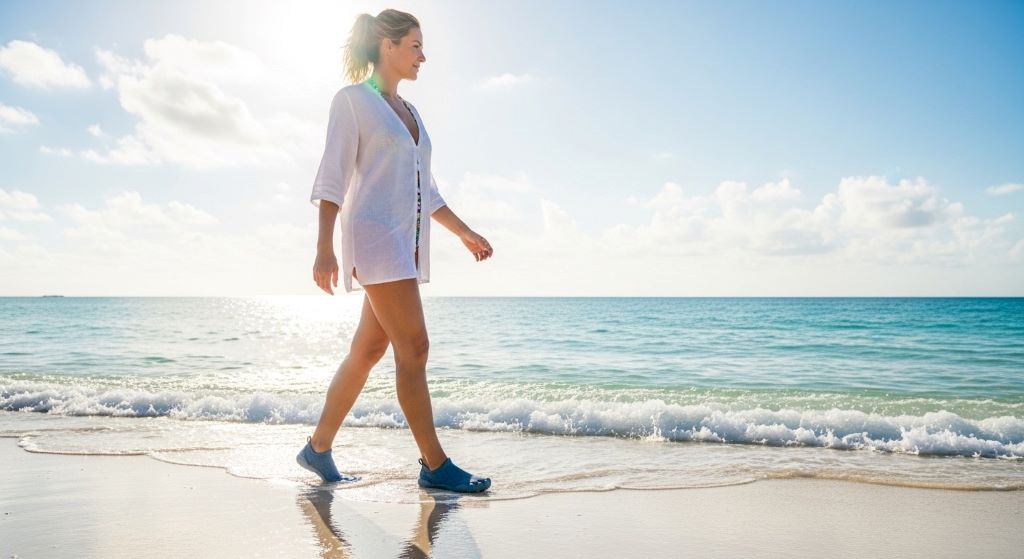
Special Considerations for Women’s Beach Footwear
Women’s beach footwear often includes additional style options and specific fit considerations that differ from unisex or men’s designs. Understanding these differences helps women find the best options for their needs.
Many brands offer women-specific lasts that account for different foot shapes. Women’s feet typically have narrower heels and different arch shapes compared to men’s feet. Shoes designed specifically for women usually fit better than simply sizing down in men’s styles.
Color and pattern options are generally more extensive in women’s lines. While this doesn’t affect performance, having choices you find attractive increases the likelihood you’ll actually wear the shoes. Additionally, bright colors make it easier to spot your shoes on crowded beaches.
Women-specific sizing typically runs from size 5 to 11, though some brands extend beyond this range. Always check the specific size chart for the brand you’re considering, as sizing standards vary internationally and between manufacturers.
Style versatility matters to many women who want shoes that transition well between beach activities and casual wear. Some water shoes feature attractive enough designs to wear for light walking or sightseeing after beach time, maximizing value from your purchase.
Arch support varies significantly between models. Women who need additional arch support should specifically seek out shoes advertising this feature. Many budget water shoes have minimal arch support, which works fine for short beach visits but becomes uncomfortable during extended wear.
Testing and Breaking In Your New Shoes
Once you’ve purchased your beach shoes, proper testing ensures they’ll perform well when you need them. Taking time to break them in prevents problems during your actual beach activities.
Wear your new shoes around the house for several hours. This practice identifies any pressure points or areas that rub uncomfortably. Walking on carpet simulates the give of sand and helps shoes conform to your feet before beach use.
Test them in wet conditions before your beach trip. Wet your shoes thoroughly and wear them while they dry. This process reveals whether they cause blisters when wet and shows you how quickly they dry. You’ll also discover if wet shoes trigger any fit issues.
Try them in a pool or bathtub if possible. Swimming a few laps or walking underwater helps you understand how the shoes perform in their intended environment. You’ll learn whether they stay secure, provide adequate traction when wet, and drain properly.
Check for any developing problems early. Small issues like loose stitching can be addressed with fabric glue or returned if they occur during the warranty period. Catching problems before your beach trip allows time to find replacements if necessary.
Apply preventive measures for known trouble spots. If you identify areas that might cause blisters, applying moleskin or bandages before wearing the shoes to the beach prevents painful rubbing. This simple step significantly improves comfort during break-in periods.
Maintenance and Care for Longevity
Proper care extends the life of your budget beach shoes, maximizing your investment. Simple maintenance practices prevent premature deterioration and keep shoes comfortable and safe.
Rinse shoes thoroughly with fresh water after each beach use. Salt water and sand are abrasive and corrosive. A quick rinse removes these elements before they can cause damage. Pay special attention to rinsing drainage holes and mesh areas where sand accumulates.
Allow shoes to dry completely between uses. Damp shoes develop unpleasant odors and provide breeding grounds for bacteria and mold. Stuff them with newspaper to speed drying and help maintain their shape. Avoid direct heat sources like radiators or dryers, which can damage materials.
Clean shoes periodically with mild soap and water. Hand washing removes accumulated dirt, oils, and organic matter that cause odors. A soft brush helps clean textured soles and reach into drainage holes. Thorough rinsing after washing prevents soap residue buildup.
Store shoes in a cool, dry place when not in use. Avoid leaving them in hot cars or direct sunlight for extended periods, as heat accelerates material breakdown. Proper storage during off-seasons significantly extends shoe life.
Inspect shoes regularly for damage. Small problems like loose stitching can be repaired easily before they become major failures. Addressing minor issues promptly prevents having to replace shoes prematurely.
Common Mistakes to Avoid
Learning from common purchasing mistakes helps you make better decisions and avoid wasting money on unsuitable beach shoes.
Don’t prioritize style over function when choosing cheap beach shoes. Attractive shoes that don’t protect your feet or stay secure in water represent wasted money regardless of price. Focus on performance features first, then consider aesthetics among functionally appropriate options.
Avoid buying shoes too large thinking they’ll be more comfortable. Oversized water shoes create more problems than they solve. They cause blisters from excessive movement, may come off in waves, and provide poor support. Proper fit is crucial for both comfort and safety.
Don’t assume all budget options are poor quality. Many affordable beach shoes perform excellently and outlast more expensive alternatives. Price doesn’t always correlate with quality, especially when you’re paying for brand names or trendy designs rather than functional improvements.
Resist buying the absolute cheapest option without research. While great deals exist, shoes priced significantly below market average often cut corners in materials or construction. Extremely cheap shoes may fall apart after minimal use, ultimately costing more when you need to replace them.
Don’t skip reading reviews from verified purchasers. Other customers’ experiences provide valuable insights into real-world performance, durability, and fit. Pay particular attention to reviews mentioning how shoes held up over time and whether they fit true to size.
When to Spend More
While this guide focuses on budget options, some situations justify spending more on beach footwear. Recognizing when to invest extra money prevents frustration and potential injury.
Frequent beach visitors benefit from higher-quality shoes that withstand regular use. If you live near the beach or vacation there multiple times yearly, investing in better-quality footwear saves money long-term by lasting multiple seasons.
Special foot conditions or requirements may necessitate premium options. People with plantar fasciitis, bunions, or other foot issues often need specialized support that budget shoes don’t provide. In these cases, investing in orthopedic-friendly water shoes prevents pain and injury.
Serious water sports demand performance-oriented footwear. Activities like kayaking, paddleboarding, or snorkeling in challenging conditions require shoes with superior grip, support, and security. Budget options work fine for casual beach walking but may not perform adequately for demanding activities.
Extended tropical vacations justify better investment. If you’re taking a two-week trip where you’ll wear water shoes daily for various activities, spending more on comfortable, durable shoes enhances your entire experience. The per-day cost of quality shoes becomes minimal over extended trips.
Conclusion
Finding the best budget water shoes for the beach doesn’t require sacrificing quality or safety. By focusing on essential features like proper drainage, quick-drying materials, adequate sole protection, and secure closures, you can identify affordable options that perform excellently.
Smart shopping strategies, including buying off-season, exploring outlet options, and considering store brands, help you find women’s beach footwear and other styles at competitive prices. Taking time to ensure proper fit and understanding different style options ensures you choose shoes appropriate for your specific beach activities.
Remember that cheap beach shoes can deliver outstanding value when you prioritize function over fashion and make informed purchasing decisions. Proper care and maintenance extend the life of budget footwear, maximizing your investment. Avoiding common mistakes and knowing when situations warrant spending more helps you make choices that serve you well.
Your beach experience improves dramatically when your feet are protected, comfortable, and secure. With the information in this guide, you’re equipped to find affordable beach shoes that meet your needs without compromising on the features that matter most. Enjoy your time at the beach knowing your feet are well-protected and comfortable throughout your adventures.
Frequently Asked Questions
How much should I expect to spend on quality budget beach shoes?
Quality budget beach shoes typically range from fifteen to thirty-five dollars. This price range offers good construction, adequate materials, and essential features without premium pricing. Shoes under ten dollars often lack durability, while options over forty dollars usually include brand premiums or specialized features that casual beach-goers don’t need. Shopping during off-season sales can help you find normally higher-priced options within this budget range.
Can I use regular sneakers or sandals at the beach instead of water shoes?
Regular sneakers become waterlogged, heavy, and take forever to dry, making them impractical for beach use. They also lack drainage features and can develop mold. Regular sandals don’t provide adequate protection from sharp objects and may not stay secure in water. While you can use them for brief beach visits, dedicated water shoes perform much better for swimming, walking on rocky shores, or spending extended time in wet conditions.
How do I prevent sand from getting stuck in my water shoes?
Choose shoes with tighter mesh or fewer large openings to minimize sand entry. After beach use, rinse shoes immediately in fresh water while still wearing them, moving your feet to help flush sand out through drainage holes. Remove shoes and shake them vigorously. Some sand accumulation is inevitable, but regular rinsing and proper drying prevent buildup. Shoes with smooth interior linings trap less sand than those with textured insoles.
Will budget water shoes protect my feet from sea urchins and sharp coral?
Water shoes with thick rubber soles provide good protection against most sharp objects, including coral fragments and small sea urchins. However, no water shoe offers complete protection against large sea urchins with long spines or extremely sharp coral. They significantly reduce injury risk compared to bare feet but shouldn’t replace careful attention to where you’re stepping. For areas with known sea urchin populations, consider shoes with thicker, more rigid soles.
How long do budget beach shoes typically last?
With proper care, quality budget beach shoes last one to three seasons of regular use. Occasional beach-goers who wear shoes a few times per year can expect several years of use. Factors affecting longevity include frequency of use, care and maintenance, exposure to harsh conditions like hot pavement or rough surfaces, and storage practices. Rotating between two pairs extends overall lifespan by allowing shoes to dry completely between uses.
Related Topics:
How to Choose Skate Shoes for Better Flip Tricks
Formal Skirt Looks for Weddings: Elegant Styles for Every Guest
About Author
