Mastering flip tricks requires more than just practice and dedication. Your footwear plays a crucial role in how well you perform kickflips, heelflips, and tre flips. The right pair of shoes can make the difference between landing cleanly and missing your board entirely. This guide will help you understand what makes a great skate shoe for flip tricks and how to choose the perfect pair for your skating style.
Understanding the Importance of Proper Skate Shoes
Flip tricks demand precision, board control, and quick foot movements. Your shoes act as the direct connection between you and your skateboard. Therefore, choosing the right pair becomes essential for progression. Many skaters overlook this connection and wonder why their tricks feel inconsistent. The truth is that different shoes offer vastly different performance characteristics.
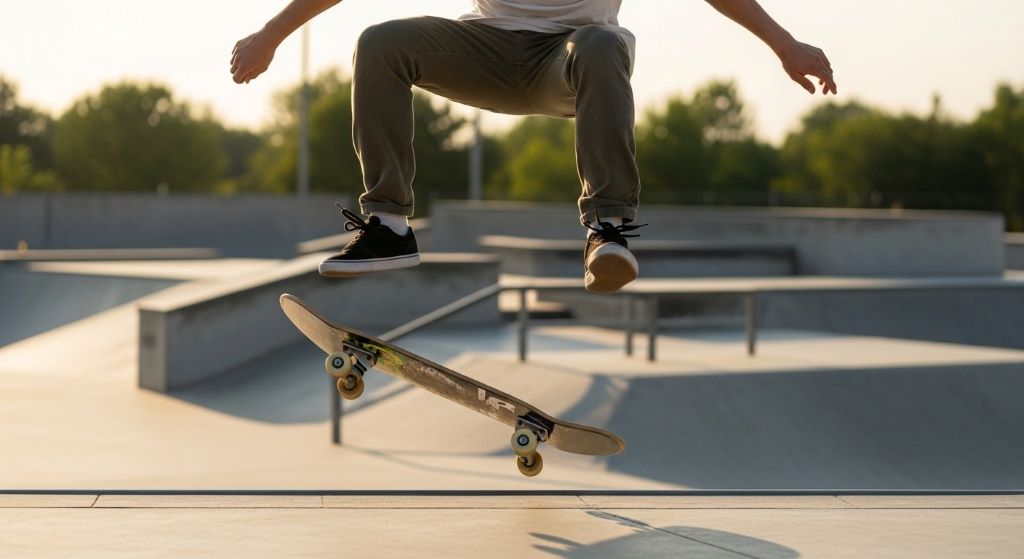
When you pop a kickflip, your foot needs to flick the board with just the right amount of force and angle. The shoe’s construction affects how you feel the board and how effectively you can manipulate it. Additionally, landing flip tricks puts tremendous stress on your feet and ankles, making proper support and cushioning equally important.
The Role of Board Feel in Flip Tricks
Board feel refers to how well you can sense your skateboard through your shoes. This sensory feedback helps you position your feet correctly and execute tricks with precision. Shoes with thinner soles generally provide better board feel, allowing you to detect subtle movements and adjust accordingly. However, thinner soles wear out faster and offer less impact protection.
Many professional skaters prefer a balance between board feel and durability. They want enough sensation to control their tricks while maintaining protection during high-impact landings. The sole thickness you choose depends on your skill level and how often you skate. Beginners might benefit from slightly thicker soles that offer more cushioning, while advanced skaters often prefer minimal barriers between their feet and the board.
The materials used in the sole also affect board feel significantly. Vulcanized rubber soles typically offer superior board feel compared to cup sole constructions. Vulcanized soles are thinner and more flexible, making them popular among technical skaters who focus on flip tricks. Cup soles provide more impact protection but sacrifice some sensitivity.
Flexibility and Its Impact on Performance
Flexibility determines how easily your foot can move within the shoe during tricks. Flexible skate footwear allows your foot to bend naturally when flicking the board, improving your technique and reducing fatigue. Stiff shoes restrict movement and make it harder to execute the quick, precise motions required for flip tricks.
The flex pattern matters just as much as overall flexibility. Shoes should bend at the ball of your foot, where most flicking motion occurs. Some shoes flex too much in the arch or heel, which can actually reduce control and stability. Quality skate shoes are designed with specific flex points that align with natural foot movement during skating.
Breaking in new shoes affects their flexibility over time. Initially stiff shoes often become more flexible after several sessions. However, you want shoes that feel comfortable from the start rather than requiring weeks of painful break-in periods. Testing the flexibility before purchasing helps ensure you get shoes that work well immediately.
Grip and Traction Considerations
The outsole pattern and rubber compound determine how well your shoes grip the griptape. Grip skate shoes feature patterns designed specifically for skateboarding, with flat surfaces that maximize contact with the board. Running shoes or casual sneakers have treads optimized for different surfaces and rarely work well for flip tricks.
Fresh griptape can be extremely abrasive and wear through shoes quickly. Quality skate shoes use durable rubber compounds that resist this abrasion while maintaining consistent grip. The compound should be sticky enough to connect with the board but not so soft that it wears away after a few sessions.
Tread depth also plays a role in performance. Deep treads can sometimes catch on the griptape during slides and grinds, creating unwanted friction. Conversely, completely smooth soles might slip during tricks. The best skate shoes feature moderate tread depth with strategically placed patterns that balance grip and smooth movement.
Construction Methods and Durability
Skate shoes use two primary construction methods: vulcanized and cup sole. Vulcanized construction involves gluing the upper to a rubber sole and then heating the assembly to bond the materials. This creates a thin, flexible shoe with excellent board feel. These shoes work exceptionally well for flip tricks because they allow maximum foot movement and sensitivity.
Cup sole construction uses a pre-formed rubber sole that wraps around the bottom and sides of the foot. This method creates a more durable, supportive shoe with better impact protection. While cup soles sacrifice some board feel, modern designs have become increasingly sensitive while retaining their protective benefits.
Neither construction method is inherently superior. Your choice depends on personal preference and skating style. Technical street skaters who focus primarily on flip tricks often prefer vulcanized shoes. Skaters who tackle bigger gaps and stairs might appreciate the extra protection of cup soles.
Materials and Their Effect on Performance
The upper material significantly affects how your shoes perform and last. Suede remains the most popular choice for skate shoes because it offers excellent durability and breaks in nicely. Canvas provides good board feel and breathability but wears out much faster. Leather offers superior durability but can feel stiff and heavy.
Many modern skate shoes combine multiple materials to optimize performance. They might use suede in high-wear areas like the toe box and ollie area while incorporating mesh panels for breathability. This strategic material placement extends shoe life without sacrificing comfort or performance.
Synthetic materials have improved dramatically in recent years. Some companies now produce artificial suede and leather that perform nearly as well as natural materials while offering benefits like water resistance and easier maintenance. However, traditional materials still dominate among serious skaters who prioritize authentic board feel.
Sizing and Fit for Optimal Control
Proper fit is crucial for executing flip tricks consistently. Shoes that are too large allow your foot to slide around, reducing control and precision. Conversely, shoes that are too tight restrict movement and can cause pain during extended sessions. Your toes should have slight room to move, but your heel should stay locked in place.
Width matters as much as length. Narrow feet need shoes with snug midfoot and heel areas, while wider feet require roomier toe boxes. Many skate shoe brands offer different width options, though you might need to try multiple models to find the perfect fit.
Consider how shoes will stretch and break in over time. Most skate shoes expand slightly with wear, especially in the toe box area. Buying shoes that feel just slightly snug initially often results in a perfect fit after a few sessions. However, if shoes feel uncomfortably tight when new, they probably won’t work well even after breaking in.
Ankle Support and Stability
The collar height affects ankle support and freedom of movement. Low-top shoes offer maximum mobility, making them popular for flip tricks where unrestricted ankle movement helps with flicking and landing. Mid-top shoes provide moderate support while still allowing good range of motion. High-tops offer the most ankle support but can restrict movement during technical tricks.
Most skaters who focus on flip tricks prefer low-top or mid-top designs. The extra mobility helps with the quick, precise foot movements required for these tricks. However, skaters with previous ankle injuries might benefit from the additional support of higher collars.
Padding around the collar also affects comfort and support. Excessive padding can feel bulky and restrictive, while minimal padding might cause irritation during long sessions. Look for shoes with adequate but not excessive collar padding that feels comfortable from the start.
Cushioning and Impact Protection
Landing flip tricks repeatedly takes a toll on your feet, ankles, and knees. Quality cushioning absorbs impact and reduces fatigue during long sessions. However, too much cushioning can reduce board feel and make tricks feel less responsive. Finding the right balance is key to both performance and injury prevention.
Modern insole technology has advanced significantly. Many shoes now feature removable insoles with targeted cushioning in high-impact areas like the heel and ball of the foot. These insoles can be replaced when they wear out, extending the overall life of your shoes.
Some skaters prefer adding aftermarket insoles for customized support and cushioning. These insoles can address specific needs like arch support or extra heel cushioning. However, make sure any insoles you add don’t make your shoes feel too tight or alter the fit negatively.
Weight and Responsiveness
Lightweight shoes allow for quicker foot movements and less fatigue during sessions. Heavy shoes can slow down your flicks and make tricks feel sluggish. However, extremely lightweight shoes sometimes sacrifice durability and protection. The best shoes find a balance between light weight and adequate construction.
Material choices significantly affect weight. Canvas shoes tend to be lighter than full suede constructions. Minimalist designs with less padding also reduce weight. However, don’t sacrifice essential features just to save a few ounces. Comfort and protection matter more than achieving the absolute lightest shoe possible.
Responsiveness relates to how quickly the shoe returns to its original shape after bending. Responsive shoes help your foot reset between tricks, improving consistency. Less responsive shoes can feel sluggish and make rapid-fire flip tricks more difficult. Testing how quickly a shoe springs back when you bend it gives you insight into its responsiveness.
Breaking In Your New Shoes
New skate shoes often feel stiff and uncomfortable initially. Breaking them in properly helps them conform to your foot shape and improves performance. Start by wearing them around the house for a few hours before skating. This allows the materials to soften slightly without exposing them to griptape damage.
When you first skate in new shoes, take it easy for the first session or two. Focus on basic tricks and cruising rather than immediately attempting your hardest flip tricks. This gradual approach helps the shoes mold to your feet while minimizing discomfort and blisters.
Some skaters use techniques to speed up break-in periods, like applying leather conditioner to suede or slightly dampening and wearing the shoes. However, these methods can sometimes weaken materials or alter the shoe’s characteristics. Patience usually produces the best results.
Maintaining Your Shoes for Longevity
Proper maintenance extends the life of your skate shoes significantly. Clean them regularly to remove dirt and debris that can break down materials. Use a soft brush and mild soap for suede, and avoid soaking shoes completely as this can weaken glue bonds.
Shoe goo or similar products can repair damage and reinforce high-wear areas. Applying these products to the toe box and ollie area before significant damage occurs prevents holes from forming. Many skaters consider this preventive maintenance essential for making shoes last longer.
Rotating between two pairs of shoes gives each pair time to dry out and recover between sessions. This practice reduces odor, prevents material breakdown, and ultimately saves money by extending the life of both pairs. Additionally, having a backup pair ensures you’re never stuck without proper footwear.
Price Versus Performance
Expensive shoes don’t always perform better than budget options. Many mid-priced shoes offer excellent performance and durability for flip tricks. However, extremely cheap shoes often use inferior materials that wear out quickly and provide poor board feel. Finding the sweet spot between affordability and quality gives you the best value.
Consider the cost per session rather than just the initial price. Shoes that cost more but last twice as long often represent better value than cheap shoes that fall apart quickly. Additionally, better shoes typically perform more consistently throughout their lifespan rather than degrading rapidly.
Sales and discounts can help you afford higher-quality shoes. Many skate shops offer seasonal sales or discounts on previous year’s models. These shoes often perform just as well as the latest releases but cost significantly less. Signing up for shop newsletters and following brands on social media helps you catch these deals.
Testing Before Buying
Whenever possible, try shoes on before purchasing. Walk around the store, bend them with your hands, and assess the overall construction quality. Many skate shops have small ramps or obstacles where you can test shoes more thoroughly. Take advantage of these opportunities to ensure you’re getting shoes that work for your needs.
Pay attention to immediate comfort and fit. While some break-in is normal, shoes shouldn’t cause pain or significant discomfort when new. Trust your instincts about how shoes feel. If something seems off during initial testing, it probably won’t improve enough with wear.
Reading reviews from other skaters provides valuable insights into how shoes perform over time. Look for reviews from skaters with similar styles and preferences. However, remember that individual experiences vary, and what works perfectly for someone else might not suit you.
Conclusion
Choosing the right skate shoes for flip tricks involves balancing multiple factors including board feel, flexibility, grip, and durability. Grip skate shoes with appropriate tread patterns help you connect with your board consistently. Flexible skate footwear allows the natural foot movement essential for executing clean flicks and rotations. Beyond these key features, consider construction method, materials, fit, and cushioning based on your individual needs and skating style.
Remember that the perfect shoe varies from person to person. What works brilliantly for your favorite pro skater might not suit your foot shape or preferences. Therefore, invest time in testing different options and pay attention to how various features affect your performance. With the right shoes supporting your efforts, you’ll find flip tricks becoming more consistent and sessions more enjoyable.
Frequently Asked Questions
How often should I replace my skate shoes?
Replace your skate shoes when you notice significant sole wear, holes in critical areas, or reduced board feel that affects your performance. Most skaters who practice regularly need new shoes every two to four months, though this varies based on skating frequency and intensity.
Can I use running shoes for skateboarding?
Running shoes are not designed for skateboarding and typically perform poorly for flip tricks. They lack proper grip patterns, have inappropriate flex points, and wear out extremely quickly on griptape. Investing in proper skate shoes significantly improves your performance and safety.
Should beginners buy expensive skate shoes?
Beginners don’t need the most expensive shoes but should avoid extremely cheap options. Mid-range shoes from reputable skate brands offer good performance and durability without breaking the budget. As you progress and understand your preferences better, you can make more informed decisions about premium options.
Do pro model shoes perform better than regular models?
Pro model shoes are designed to that skater’s specifications but aren’t necessarily better for everyone. They offer excellent quality and performance, but the best shoe depends on your personal preferences and foot shape. Some non-signature models might actually suit your needs better than pro versions.
How can I make my skate shoes last longer?
Apply shoe goo to high-wear areas before damage occurs, rotate between multiple pairs, clean them regularly, and avoid skating when unnecessary. Additionally, practicing tricks that you’ve already mastered on older shoes and saving newer shoes for learning new tricks helps extend their lifespan.
Related Topics:
Ultimate Skateboard Upgrade Guide: Why Spitfire Wheels + Bones Reds are a Solid Combo
How to Choose a Skateboard for Beginners: A Complete Guide
About Author
