Travel is changing in ways that were hard to imagine a few years ago. Today, drones are becoming useful tools for travelers, tourism businesses, and destination planners. They can capture places from new angles, monitor busy areas, and help visitors understand destinations before arrival.
However, drones are not simply flying cameras. Their value comes from how people use the information they collect. Aerial images can reveal trail conditions, crowd patterns, road access, and landscape changes. They can also help tourism teams plan safer and more enjoyable visitor experiences.
For travelers, this can mean better planning and more memorable trips. A drone video may show whether a beach is crowded or whether a hiking route looks difficult. A tourism board can also use aerial footage to highlight attractions that travelers might otherwise overlook.
Research supports this growing role. A study in Tourism Recreation Research examined how drones can influence destination experiences. Another study found that drone footage can support destination marketing and create useful user-generated content.
Therefore, drone technology is becoming part of smarter travel in several practical ways. Here are some of the most useful examples.
1. Helping Travelers Explore Destinations Before They Arrive
One of the simplest benefits of drone technology is better destination planning. Travelers often rely on photos, maps, reviews, and videos before booking a trip. Drone footage adds another useful viewpoint.
Aerial videos can show the layout of beaches, resorts, mountains, parks, islands, and historic areas. This view can help travelers understand a place before they arrive. It can also help them compare different attractions.
For example, a traveler planning a coastal holiday may want to know more than the beach’s appearance. They may want to see nearby roads, parking areas, walking paths, and surrounding facilities. A well-made drone video can provide useful visual context.
Drone footage can also reveal seasonal differences. A destination may look peaceful during one season but much busier during another. Therefore, travelers should not treat one drone video as a complete picture.
Research published in the Journal of Travel & Tourism Marketing found that shared aerial drone videos have distinctive user-generated content features. The research also examined how such videos contribute to destination marketing.
This creates a useful planning cycle:
- Travelers watch aerial footage.
- They compare attractions and locations.
- They plan routes and activities.
- They arrive with clearer expectations.
- They can spend less time deciding where to go.
Drone footage cannot replace local advice or reliable maps. However, it can add another layer of visual information.
For travelers, that extra context can make trip planning easier and more enjoyable.
2. Improving Sightseeing and Outdoor Experiences
Drones can also change how travelers experience outdoor destinations. Traditional sightseeing usually happens from ground level. A drone can show the same location from above.
This matters in places with large landscapes. Mountains, coastlines, forests, lakes, deserts, and islands can look very different from the air. The wider view can help travelers understand how different parts of a destination connect.
Drones are especially useful for travel content creators. A short aerial clip can capture an entire landscape in seconds. Travelers can then share these moments with friends and family.
Research on drone tourism in Singapore found that travel drones can expand tourist encounters. Drone users can connect physical travel experiences with online audiences.
Imagine visiting a coastal town and recording a short aerial view of the shoreline. Later, you share it with someone planning a similar trip. Your footage may help that person discover a viewpoint or attraction.
That creates a useful connection between travelers and destinations.
Drones can also support memorable experiences through organized events. Research involving the Taiwan Lantern Festival examined advanced drone technology and visitor experiences. The study included 265 visitors and found links between novelty, positive emotions, memorable experiences, and destination-related word-of-mouth.
However, travelers should use drones responsibly. Crowded attractions may have strict restrictions. Some locations may also protect wildlife or cultural sites.
Therefore, the smartest approach is simple. Use drones to enhance the experience, not disturb it.
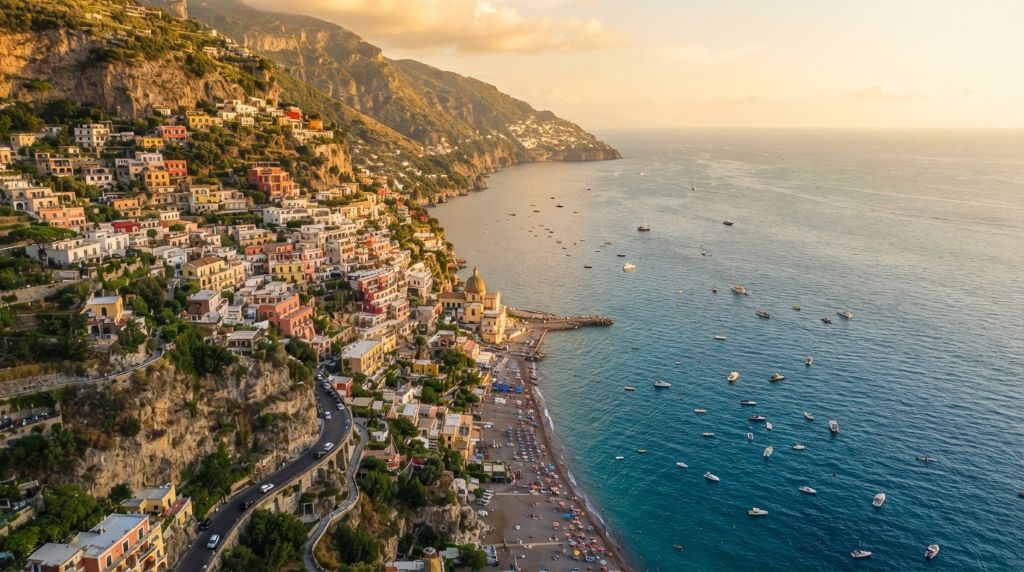
3. Helping Tourism Teams Understand Visitor Movement
Drone technology can support travel planning beyond photography. Tourism teams can use aerial images to understand how visitors move through certain areas.
This can be useful at large attractions, festivals, parks, and heritage sites. Ground teams may struggle to see the full movement of visitors. Aerial observation can provide a wider picture.
Researchers have already explored this use. A study involving Liverpool’s Royal Albert Dock examined whether drone-based photography could help map tourist movement. The research found that the method could provide a simple and fast way to collect information about visitor behavior.
This information can help destination managers answer practical questions.
For example:
- Which areas become crowded first?
- Where do visitors tend to stop?
- Which paths receive less traffic?
- Where should signs or staff be placed?
- Which areas may need better visitor flow?
Better answers can improve the travel experience.
Suppose a popular viewpoint becomes overcrowded every afternoon. Tourism managers could use visitor movement data to improve signs and suggest alternative viewpoints. They could also adjust staff placement or create better walking routes.
This approach can benefit both visitors and local businesses.
Importantly, drone use should respect privacy. Visitors may not want to be recorded during their holidays. Research on drone use at tourism destinations found that privacy concerns and perceived safety risks can increase irritation among tourists. That irritation can reduce their willingness to recommend a destination.
Therefore, smarter travel does not mean using drones everywhere. It means using them carefully, with clear rules and respect for visitors.
4. Supporting Safer and Better-Planned Travel Activities
Safety is another area where drones can support smarter travel. Tourism operators can use drones to inspect large or difficult areas before sending people into them.
For example, a tourism team could inspect a hiking route after severe weather. A drone may provide a quick view of damaged paths, fallen trees, or blocked sections. Staff can then decide whether a route should remain open.
Drones can also support inspection work around large outdoor attractions. This can reduce the need for workers to reach difficult locations immediately.
For travelers, the benefit is better information before starting an activity.
Imagine planning a mountain hike after heavy rain. A recent aerial inspection may reveal changes that older photographs cannot show. Therefore, travelers can make better decisions about their route.
Still, drones do not replace professional safety checks. Weather can change quickly, and aerial footage may miss hazards hidden under trees or around narrow paths.
Travelers who operate their own drones also need to understand local rules. Requirements differ between countries and even between locations.
For example, the U.S. Federal Aviation Administration says recreational drone users must follow safety requirements. Certain drones also require registration, while registered aircraft may need Remote ID compliance.
European rules also vary by operating category. The European Union Aviation Safety Agency explains that leisure drone flights generally fall within the “open” category when specific conditions are met.
Before flying, travelers should check:
- Local registration requirements.
- Restricted airspace.
- Maximum flight height.
- Rules around people and buildings.
- Privacy requirements.
- National park or heritage-site restrictions.
A few minutes of research can prevent a major problem during a trip.
5. Creating Better Travel Memories and Destination Stories
Perhaps the most visible use of drone technology is travel storytelling. Travelers can now create cinematic views without professional film equipment.
Aerial footage can turn a simple travel memory into a wider story. Instead of recording only a hotel room or street, travelers can show the surrounding landscape.
This can be especially valuable for small destinations. Aerial videos can showcase natural scenery that is difficult to communicate through ordinary photographs.
Research on drone videos has shown their importance for destination marketing. Researchers found that shared aerial videos can attract attention and provide distinctive forms of travel content.
A practical example is a small coastal destination with limited marketing resources. A short, well-planned drone video could show the beach, nearby villages, roads, and surrounding landscape. The video could then appear on a tourism website or social platform.
Travelers may discover the destination through that content.
There is also a personal side to drone travel. Imagine returning home after a weekend trip and watching your aerial footage. You may notice details that you missed while standing on the ground. A river’s shape, a mountain ridge, or a quiet section of coastline may suddenly become part of the memory.
That is one reason drone footage feels different from ordinary travel photography.
However, travelers should remember that good footage should not become the main purpose of a trip. A beautiful shot is not worth risking safety or disturbing other visitors.
The best drone experience supports the journey rather than replacing it.
Drone Travel Needs Responsibility, Not Just Better Technology
Drone technology can make travel smarter, but responsible use remains essential.
A drone can provide useful information, beautiful images, and new ways to understand destinations. Yet careless flying can create noise, privacy concerns, safety risks, and conflicts with local communities.
Travelers should always check the rules before launching a drone. The FAA, for example, provides specific guidance for recreational and international drone operators in the United States.
European travelers can also review current guidance from EASA before flying.
The goal should be simple: capture more, learn more, and disturb less.
Conclusion
Drone technology is supporting smarter travel in several practical ways. It helps travelers explore destinations before arrival. It can improve sightseeing and create memorable aerial views. Tourism teams can also use drones to study visitor movement and improve crowded areas.
At the same time, drones can support route checks and travel safety. They also give smaller destinations new ways to tell their stories online.
However, smarter travel requires more than advanced equipment. Responsible flying, privacy, safety, and local rules must remain central to every drone activity. Travelers interested in how drones are transforming visual storytelling can also explore how drones have revolutionised filming for additional insights.
The most useful drone is not always the one with the best camera. It is the one used thoughtfully and legally.
As drone technology continues to develop, travelers may gain even more ways to understand and experience destinations. The key will be balancing innovation with respect for people, places, and communities.
Have you ever used a drone during a trip, or watched drone footage before choosing a destination? Share your experience in the comments. If you found this article useful, share it with another traveler who enjoys exploring new places.
FAQs
Can drones improve the travel planning experience?
Yes. Drone footage can provide a wider view of beaches, trails, resorts, cities, and natural attractions. It can help travelers compare locations and understand a destination before arrival.
Are drones useful for tourism businesses?
Yes. Tourism businesses can use drones for destination videos, property views, event coverage, and selected site inspections. However, operators must follow local aviation and privacy rules.
Can drones help improve tourist safety?
They can support route inspections and area monitoring. However, drones should complement professional safety checks rather than replace them.
Can I fly a drone anywhere while traveling?
No. Drone rules vary by country and location. Airports, government sites, parks, heritage areas, and crowded places may have restrictions.
What should travelers check before flying a drone?
Check registration, airspace restrictions, flight limits, privacy rules, local permits, and protected-area requirements. Also check the latest rules before each trip because regulations can change.
I kept the wording natural and reader-friendly while avoiding invented personal experiences. The research references are based on published tourism studies and current aviation guidance.
About Author
