Key Takeaways
- Beginners need only a handful of essential items to start fishing.
- Combo rod and reel sets simplify your first gear purchase.
- Skipping bulk pre-packaged kits saves money on unused filler items.
- Buying gear matched to your local water prevents wasted purchases.
- Expanding your kit gradually keeps spending controlled and purposeful.
Starting a fishing hobby often means facing overwhelming store shelves. However, most beginners need far less gear than stores suggest. Overbuying wastes money on items you may never use. This guide shows you how to choose fishing gear wisely. You will start fishing confidently without an overloaded, expensive kit.
Why Beginners Often Overbuy Gear
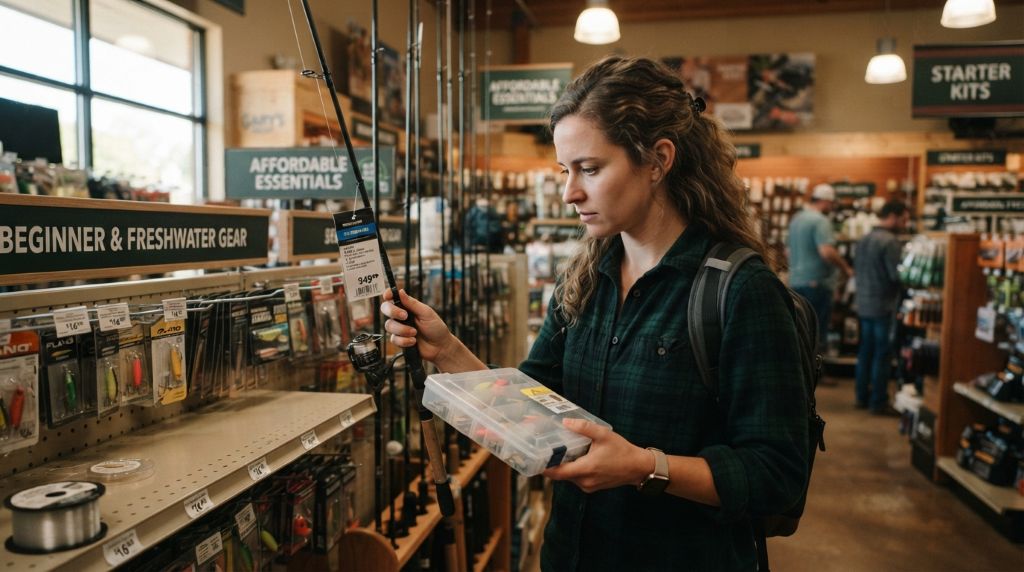
Tackle shops display walls of colorful lures and specialized tools. This variety overwhelms new anglers browsing without a clear plan. Therefore, many beginners buy far more than they actually need.
Pre-packaged starter kits often make this problem worse, not better. These kits pad their piece counts with tiny, low-quality fillers. As a result, buyers pay for bulk rather than genuine usefulness.
According to a Lazada Singapore guide on fishing accessories, many pre-packaged kits inflate their piece counts with fragile components unsuitable for local waters. This means quantity does not always translate into real value. Learning to spot filler items saves money right from the start.
Overbuying also creates a cluttered, confusing tackle box early on. Too many options slow down decision-making during actual fishing trips. Therefore, a focused, minimal kit often performs better than a massive one.
New anglers benefit most from understanding their actual needs first. Defining your fishing environment before shopping prevents impulse purchases. This approach keeps your budget controlled and your gear genuinely useful.
Starting With a Rod and Reel Combo
Your rod and reel form the foundation of any fishing setup. Beginners benefit most from choosing a simple, matched combo package.
- Spinning rod and reel combos for easy, tangle-free casting
- Medium power, medium action rods around six to seven feet
- Pre-spooled combos that include line already installed
- Reel sizes suited to common freshwater fishing situations
- Combos from established brands with reliable customer support
According to Columbia Sportswear, spinning rods and reels represent the best option for beginners since they resist backlash and tangling. This makes them the safest starting choice for new anglers. Avoid baitcasting reels until you build more casting experience.
Medium power, medium action rods offer excellent all-around versatility. Culturaldaily notes that a rod around six to seven feet balances casting distance with accuracy well. This size handles a wide range of fish and conditions.
Choosing a combo rather than separate pieces saves money and confusion. Combos guarantee your rod and reel work well together immediately. This convenience matters most during your very first fishing purchase.
Choosing Essential Terminal Tackle Only
Terminal tackle includes the small items connecting your line to the fish. Beginners need only a modest, focused selection to start.
- Buy a small assortment of hooks in common sizes.
- Add a few split-shot sinkers for basic weight needs.
- Include a handful of bobbers for depth control.
- Purchase a few swivels for basic rig connections.
- Skip large assortments of rarely used specialty hooks.
- Avoid buying dozens of lure colors before testing a few.
According to Culturaldaily, hook sizes six through ten cover a wide range of common freshwater fish species. This range works well for most beginner fishing situations. Therefore, avoid buying every hook size available at the store.
Split-shot sinkers offer simple, adjustable weight for new anglers. They clamp directly onto your line without complicated rigging knowledge. This simplicity makes them ideal for someone just learning the basics.
Bobbers help beginners see bites clearly during early fishing attempts. However, only a small handful covers most common situations. Skip large bobber assortments until you understand your typical fishing depth needs.
Selecting Safety and Handling Tools
Certain tools protect both you and the fish during handling. These items deserve priority over decorative or specialty gear.
- Needle-nose pliers for hook removal and line cutting
- A basic hook remover for deeper or difficult hook sets
- A small first-aid kit for minor cuts or hook injuries
- Sunscreen, a hat, and sunglasses for sun protection
- A valid fishing license for your local area
According to the Recreational Boating and Fishing Foundation, needle-nose pliers and a handheld line-cutter tool rank among the essential hand tools for beginners. These simple items handle most common fishing tasks. Therefore, prioritize them over flashier, specialized tools.
A fishing license often gets overlooked by excited new anglers. However, fishing without one risks fines in most areas. Additionally, license fees typically support important conservation efforts nationwide.
Sun protection matters more than many beginners initially realize. Long hours outdoors without proper gear cause uncomfortable sunburn quickly. Therefore, budget for basic sun protection alongside your fishing tackle.
Matching Gear to Your Local Fishing Environment
Your specific fishing location should guide every gear decision you make. Buying generic gear often wastes money on unsuitable items.
- Freshwater anglers need less corrosion-resistant gear overall
- Saltwater or coastal anglers need rust-resistant hooks and tools
- Humid climates demand better moisture protection for stored gear
- Local target species determine your ideal hook and lure sizes
- Nearby water depth affects your typical sinker weight needs
Coastal and saltwater environments demand gear built for constant moisture exposure. A Lazada Singapore guide notes that coastal spots expose gear to saltwater spray and humid sea breezes regularly. This exposure requires accessories with strong corrosion resistance.
Freshwater anglers generally face fewer corrosion concerns than saltwater counterparts. Therefore, freshwater beginners can often choose slightly less expensive tools. This difference allows for real savings without sacrificing performance.
Researching your local target species prevents buying mismatched terminal tackle. A quick search or conversation with a local shop clarifies real needs. This small step prevents wasted money on unsuitable hook or lure sizes.
Building Your Kit Gradually Over Time
Beginners do not need every piece of gear on their very first trip. Expanding your kit gradually keeps spending controlled and purposeful.
- Start with only the essential rod, reel, and terminal tackle.
- Take several trips before considering any gear upgrades.
- Note which items you actually use during real fishing trips.
- Add specialty gear only after identifying a genuine need.
- Skip trendy gadgets until you understand their real purpose.
- Ask experienced anglers before buying expensive, specialized tools.
Waiting before adding new gear prevents impulse purchases based on marketing alone. Real fishing experience reveals your actual needs far better than store displays. Therefore, patience saves money throughout your early fishing journey.
Tracking which items you actually use creates a clear buying guide. Many beginners discover they rarely touch certain purchased tools. This insight helps you avoid repeating similar mistakes in the future.
Asking experienced anglers before big purchases offers valuable, practical insight. Local shop staff or fishing friends often provide honest recommendations. This advice frequently proves more useful than online marketing claims.
Conclusion
Choosing fishing gear as a beginner does not require an overwhelming, expensive haul. Start with a simple rod and reel combo, then add only essential terminal tackle and safety tools. Match your gear to your local environment and expand slowly as you gain experience. If you are considering fishing as more than a hobby, you can also start a fishing gear business with affordable rod options while keeping your initial investment manageable. These habits keep your spending controlled and your kit genuinely useful.
A focused, minimal kit often serves beginners better than a massive one. Take time before your first purchase to define your actual fishing needs. Start small, fish often, and add gear only when real experience shows you need it.
Frequently Asked Questions
What is the most important gear for a beginner angler?
A spinning rod and reel combo matters most for beginners. Add basic hooks, sinkers, and safety tools next.
Should I buy a pre-packaged fishing kit as a beginner?
Be cautious, since many kits include low-quality filler items. Choose a focused set matched to your local water instead.
How many hooks should a beginner buy at first?
A small assortment in sizes six through ten works well. This range covers most common freshwater fishing situations.
Do I need saltwater-specific gear for freshwater fishing?
No, freshwater fishing needs less corrosion-resistant gear overall. Save saltwater-rated tools for coastal or ocean fishing trips.
When should I upgrade my beginner fishing gear?
Upgrade only after identifying specific needs through real experience. Avoid buying specialty gear before understanding your actual fishing style.
About Author
